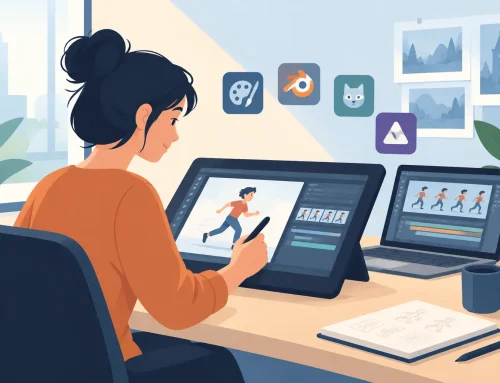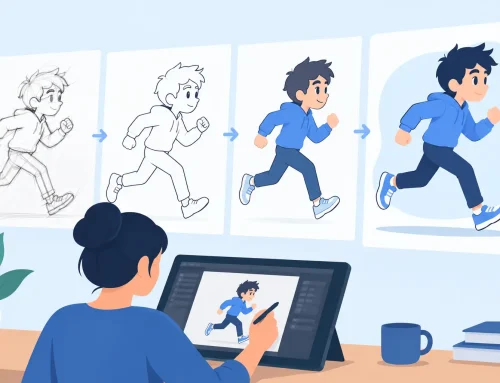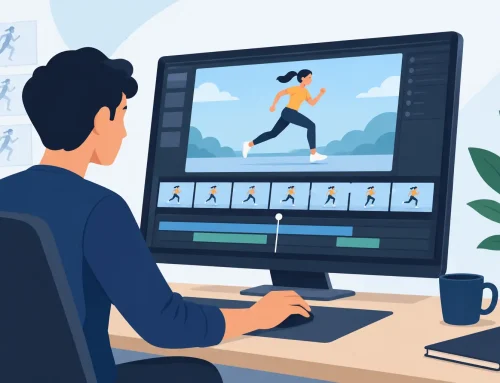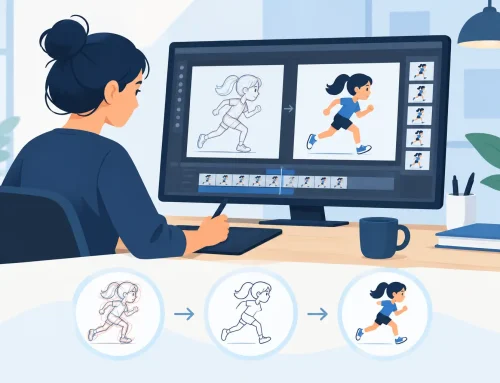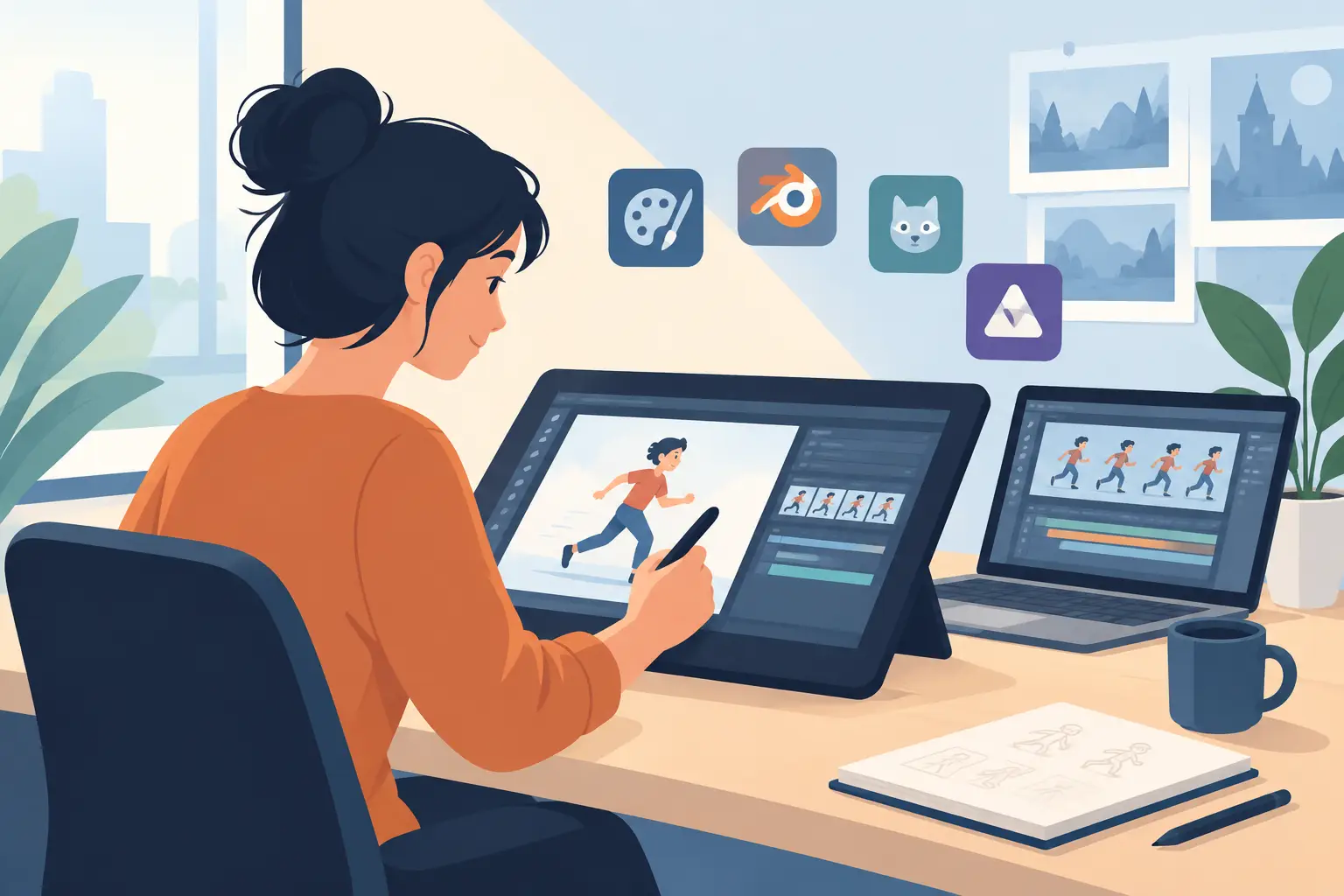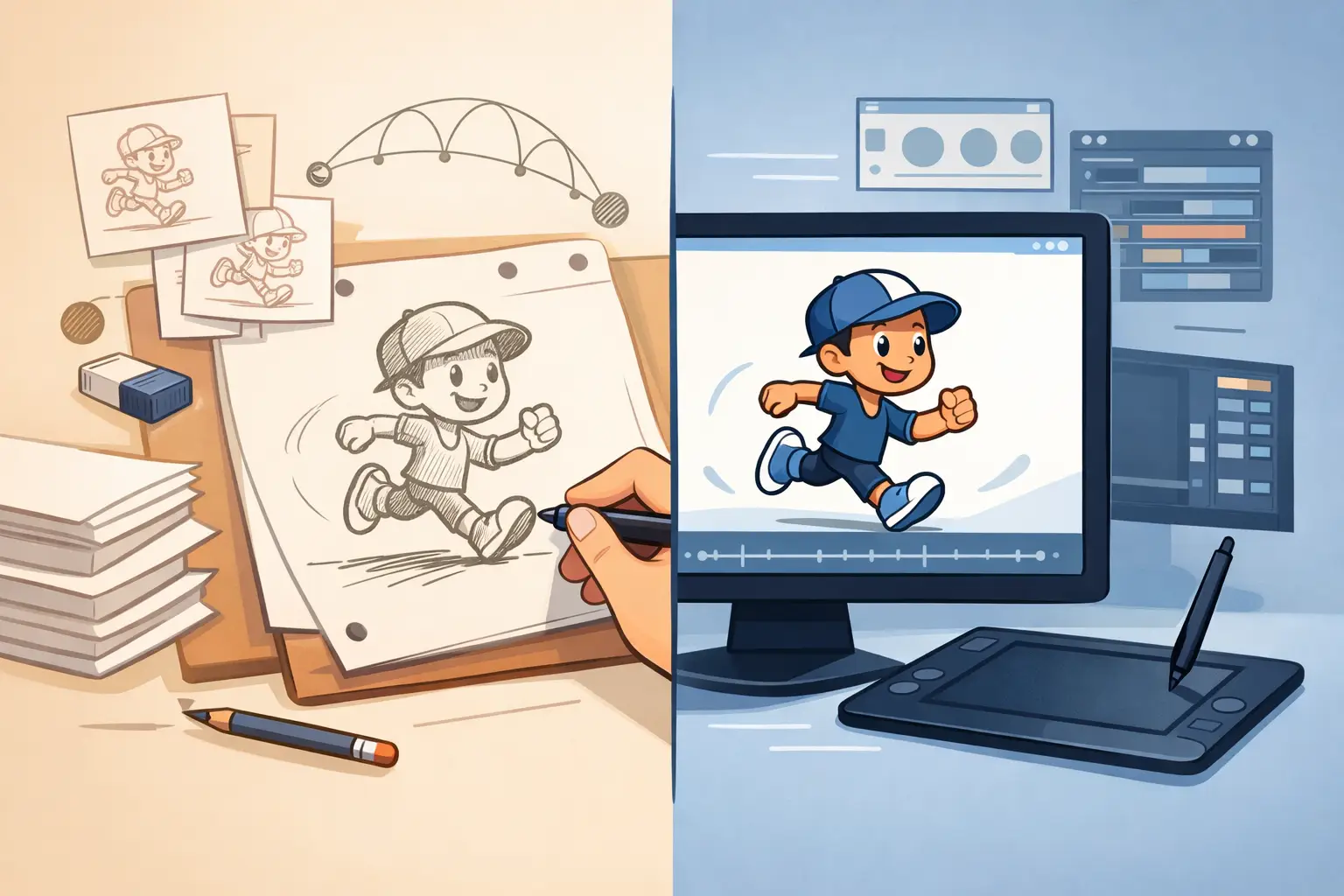
A bouncing ball tells the truth fast. If the arc feels stiff, the spacing is wrong, or the impact has no snap, no shader or particle effect will save it. That is exactly why hand drawn animation is better for artists who care about motion first. It puts performance, timing, and draftsmanship back where they belong – on the frame.
This is not nostalgia talking. It is production logic. Hand-drawn animation asks the animator to build movement one drawing at a time, which means every decision stays visible. You see the breakdowns, the holds, the spacing changes, the line of action, and the acting choices as they happen. That direct contact with the work is still hard to beat, whether you are learning the craft, producing a short film, or running a small studio that needs expressive results without fighting the software.
Why hand drawn animation is better for real performance
Animation works when an audience believes a drawing is thinking, reacting, and moving with intent. Hand-drawn methods support that better because they are built around performance rather than automation. Instead of assigning motion and then correcting it, the animator creates the motion itself.
That matters most in shots with acting. A head turn, a delayed blink, a change in mouth shape before a line lands – these are small decisions, but they carry the scene. In a hand-drawn workflow, those choices are not hidden inside controls or generated between poses. They are designed frame by frame. The result usually feels more specific and more alive.
This does not mean every hand-drawn shot is superior. A weak animator can produce lifeless drawings in any medium. But when the artist understands timing and spacing, hand-drawn work gives that skill nowhere to hide and nowhere to get diluted. The performance comes straight from the animator’s hand.
The drawing itself carries emotion
A clean vector can be useful. A rig can be efficient. Neither automatically gives you a better line. Drawn animation still stands apart because the drawing quality changes with the emotion of the shot.
A nervous character can have a tighter, searching line. A big impact can widen shapes and push contours off model for one frame to sell force. A comic take can stretch farther because the artist is not limited by a preset structure. These are not accidents. They are part of the language of animation.
That flexibility is one of the strongest arguments for why hand drawn animation is better in expressive work. You are not just moving a character around. You are redesigning the image every frame to support the idea. When the shot needs subtlety, you can keep it controlled. When it needs force, you can break the model intelligently and make the action read.
For students, this is also where real learning happens. You stop thinking of characters as assets and start thinking of them as performances built through shape, rhythm, and clarity.
Better timing starts with direct control
Many digital pipelines slow animators down at the exact moment they need freedom. You make a timing change, stop playback, enter numbers, preview again, then repeat. That process breaks concentration. It also encourages timid decisions because every change carries friction.
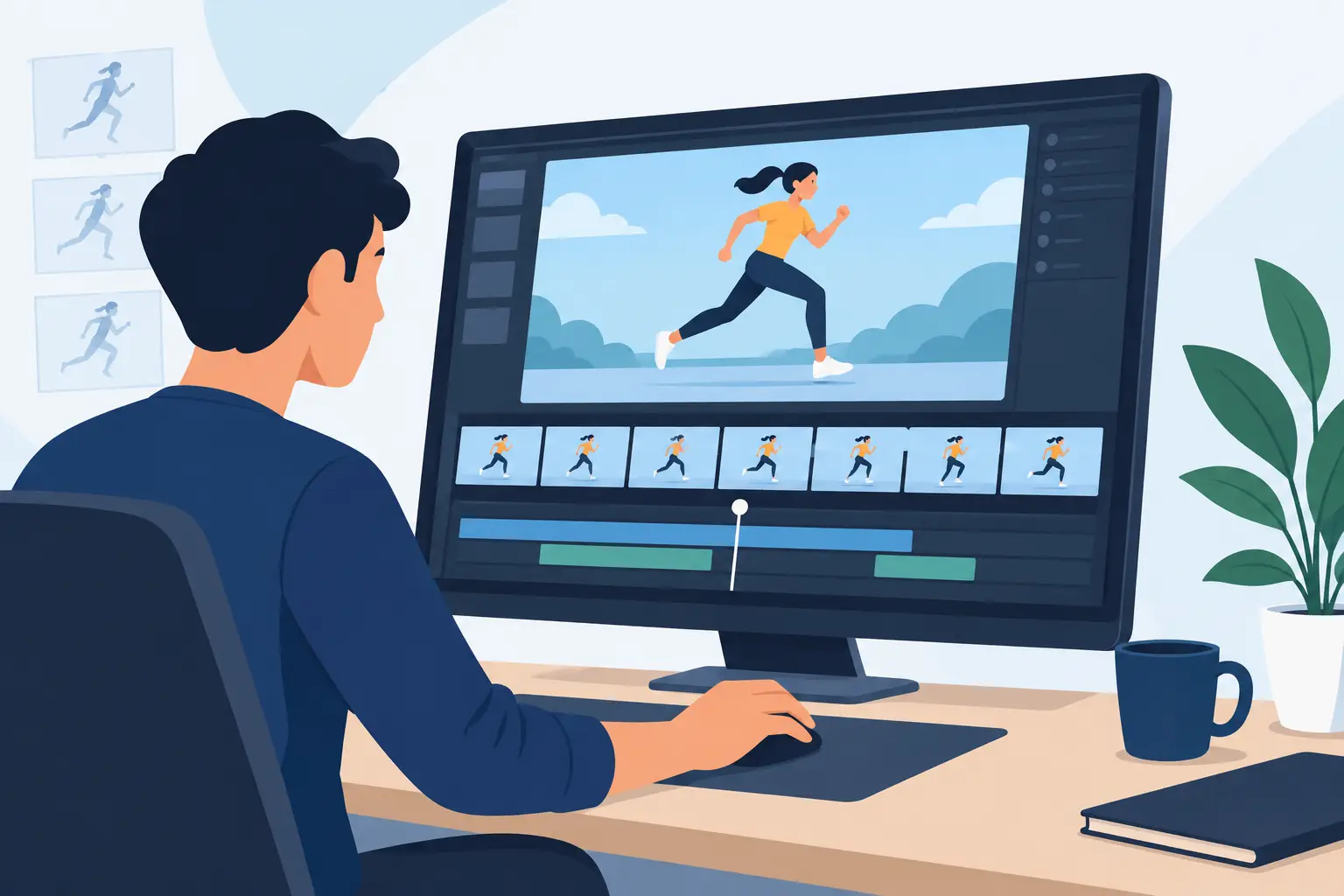
Traditional animation thinking is different. You flip drawings, scrub scenes, feel the shot, and adjust timing while the motion is in front of you. That keeps attention on the scene instead of the interface.
This is where hand-drawn workflows remain unusually strong. Timing is not treated as a technical setting after the fact. It is part of the drawing process from the start. You can see whether an anticipation is too short, whether a hold needs another frame, or whether the settle is dragging. The animator stays in rhythm with the shot.
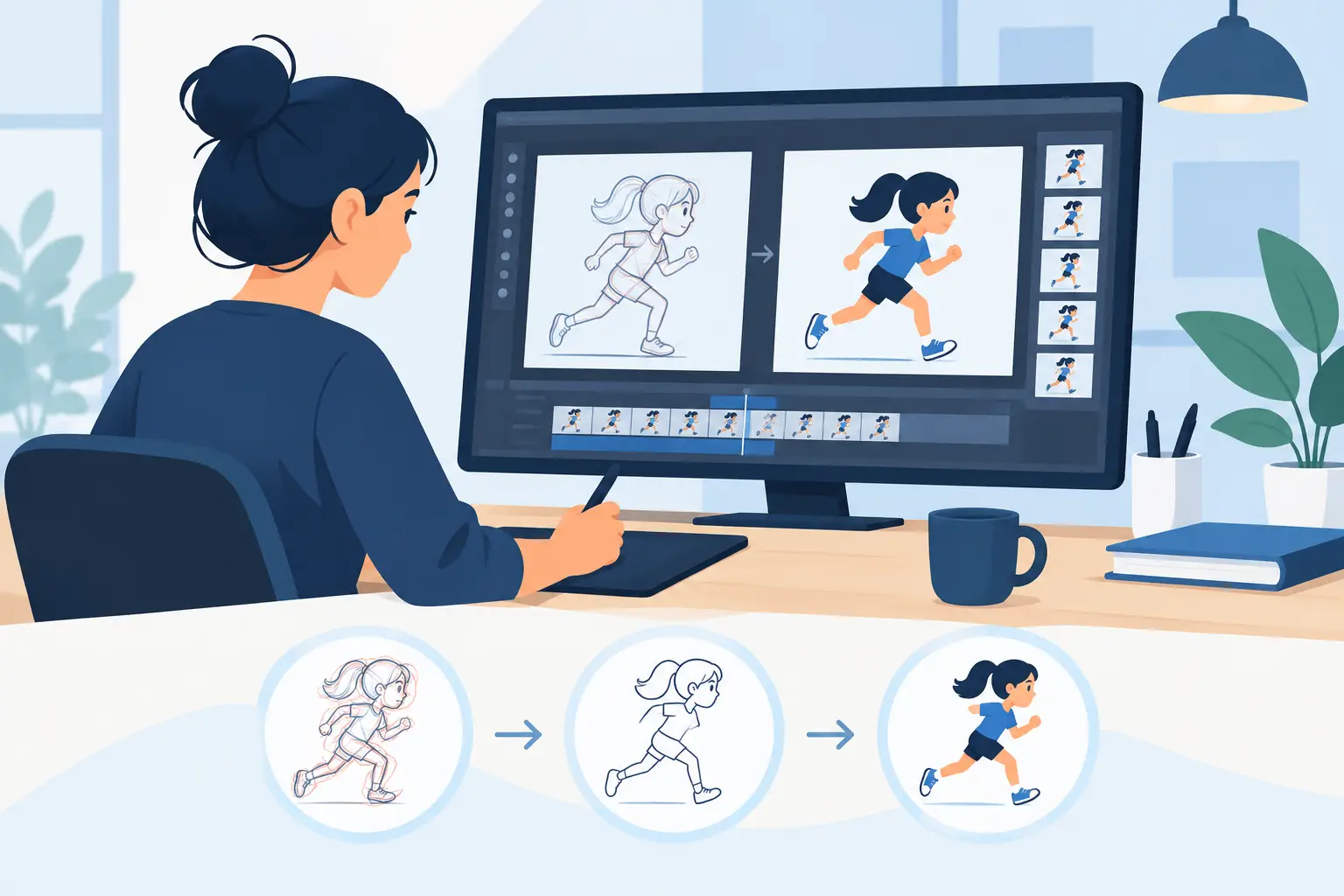
That direct timing control is one reason many professionals still prefer software built around classical production methods. Programs like DigiCel FlipBook are effective because they preserve the feel of flipping paper while adding digital speed. Roughs, clean-up, paint, scene playback, and timing edits can all happen without forcing the animator into a stop-adjust-preview cycle.
Why hand drawn animation is better for learning fundamentals
If you want to understand animation instead of just producing movement, drawing by hand is still one of the fastest ways to get there. It teaches cause and effect. Every bad spacing choice shows up immediately. Every unclear silhouette weakens the action. Every missing breakdown hurts the motion.
That kind of feedback is valuable because it is honest. Students learn squash and stretch by drawing it. They learn overlap by planning what parts drag and what parts lead. They learn arcs by controlling the path frame by frame. Nothing is abstract.
There is a trade-off, of course. Hand-drawn animation asks more from the artist up front. You cannot rely on a rig to hold proportions, and you cannot skip draftsmanship. For beginners, that can feel demanding. But the payoff is real. Once the principles are in your hands, they transfer everywhere. A strong hand-drawn animator usually adapts to other tools more easily than someone who learned only through shortcuts.
For educators, this is why frame-by-frame work still matters in the classroom. It teaches observation, discipline, and timing in a way automated systems rarely do.
The workflow can be faster than people assume
One reason some artists dismiss drawn animation is the belief that it is automatically slow. It can be slow if the workflow is clumsy. It can also be very efficient when the software respects how animators actually work.
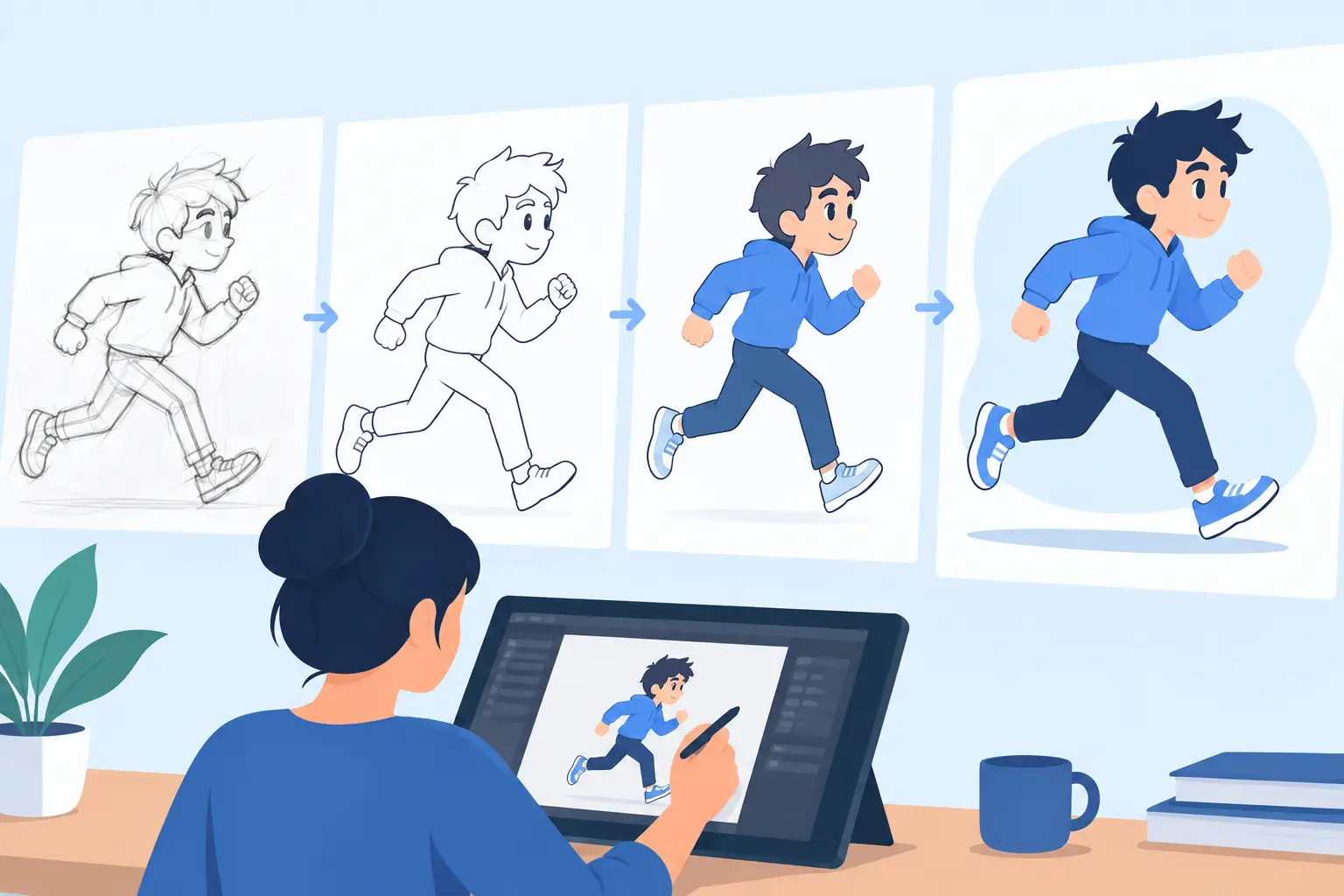
Rough animation should feel immediate. Clean-up should not become a technical obstacle course. Painting should not take longer than drawing. Scene review should be fast enough to support instinctive changes. If those parts are built well, hand-drawn production becomes far more practical for indie films, tests, ads, education, and studio scenes than many people expect.
Painting is a good example. In many apps, color work becomes a chore of edge problems, setup steps, or repetitive corrections. In a streamlined hand-drawn system, painting can move quickly enough to support production instead of bottleneck it. That matters to small teams and solo filmmakers who need finished scenes, not just nice rough tests.
So yes, there is labor involved. There always has been. But the gap between expressive quality and production speed is much smaller when the software is designed around traditional methods rather than forcing animators to adapt to someone else’s pipeline.
Hand-drawn animation fits more kinds of projects than critics admit
People often talk about hand-drawn animation as if it only belongs in feature films or passion projects. That misses the point. Drawn work is useful anywhere clarity, personality, and appeal matter.
Educational shorts benefit from direct, readable motion. Independent films benefit from visual identity. Commercial spots benefit from stylization and charm. Even simple tests benefit because they reveal whether the idea is working before a team invests in a larger production path.
The right approach depends on the project. If you need a long series with limited budgets and highly reusable assets, a rigged workflow may be the practical choice. If you need acting nuance, elastic motion, graphic invention, or a stronger sense of the artist in the frame, hand-drawn animation usually has the advantage.
That is the real answer to why hand drawn animation is better. Better for what? Better for performance-driven scenes, better for learning fundamentals, better for timing control, better for expressive drawing, and often better for artists who want the tool to follow the craft instead of the other way around.
The strongest animation still comes from clear thinking, solid drawing, and control over timing. Hand-drawn work keeps those priorities visible. If you want better results with less interference, work where the frame tells the truth and the motion stays in your hands.