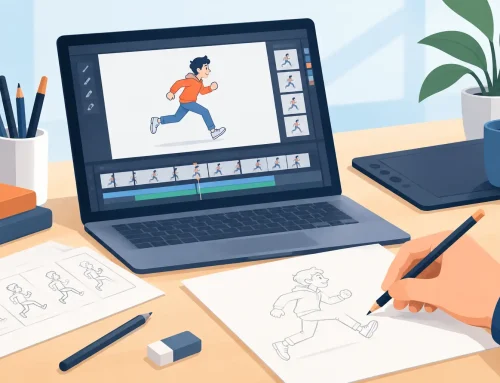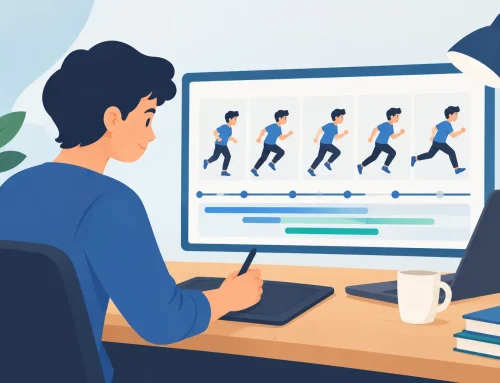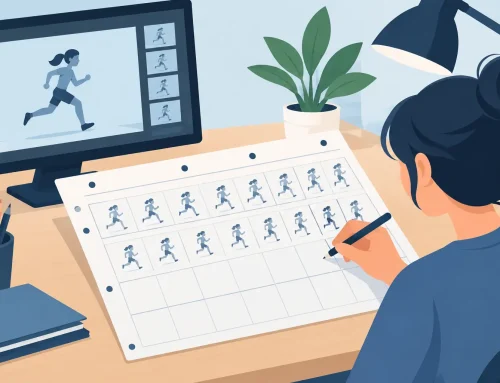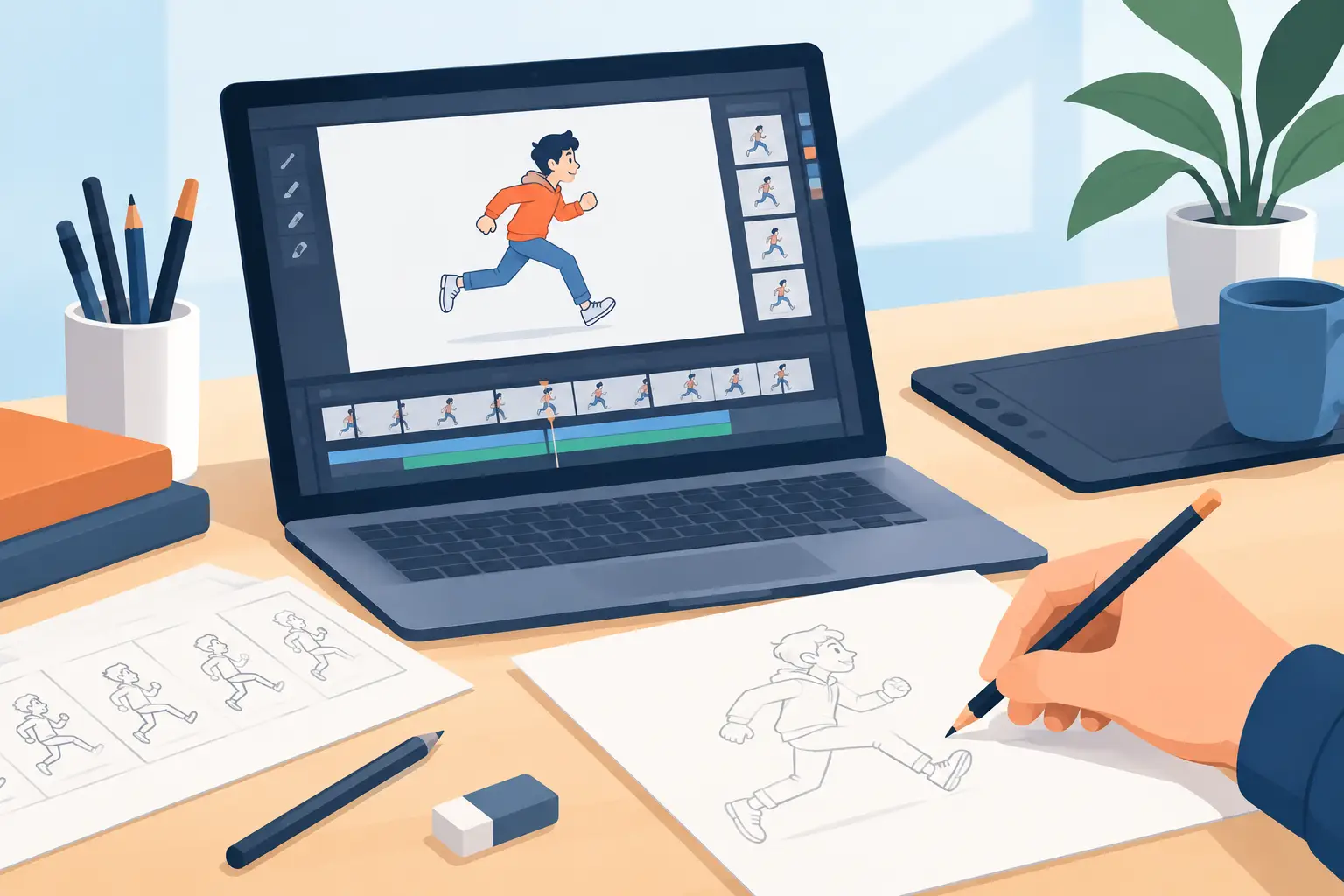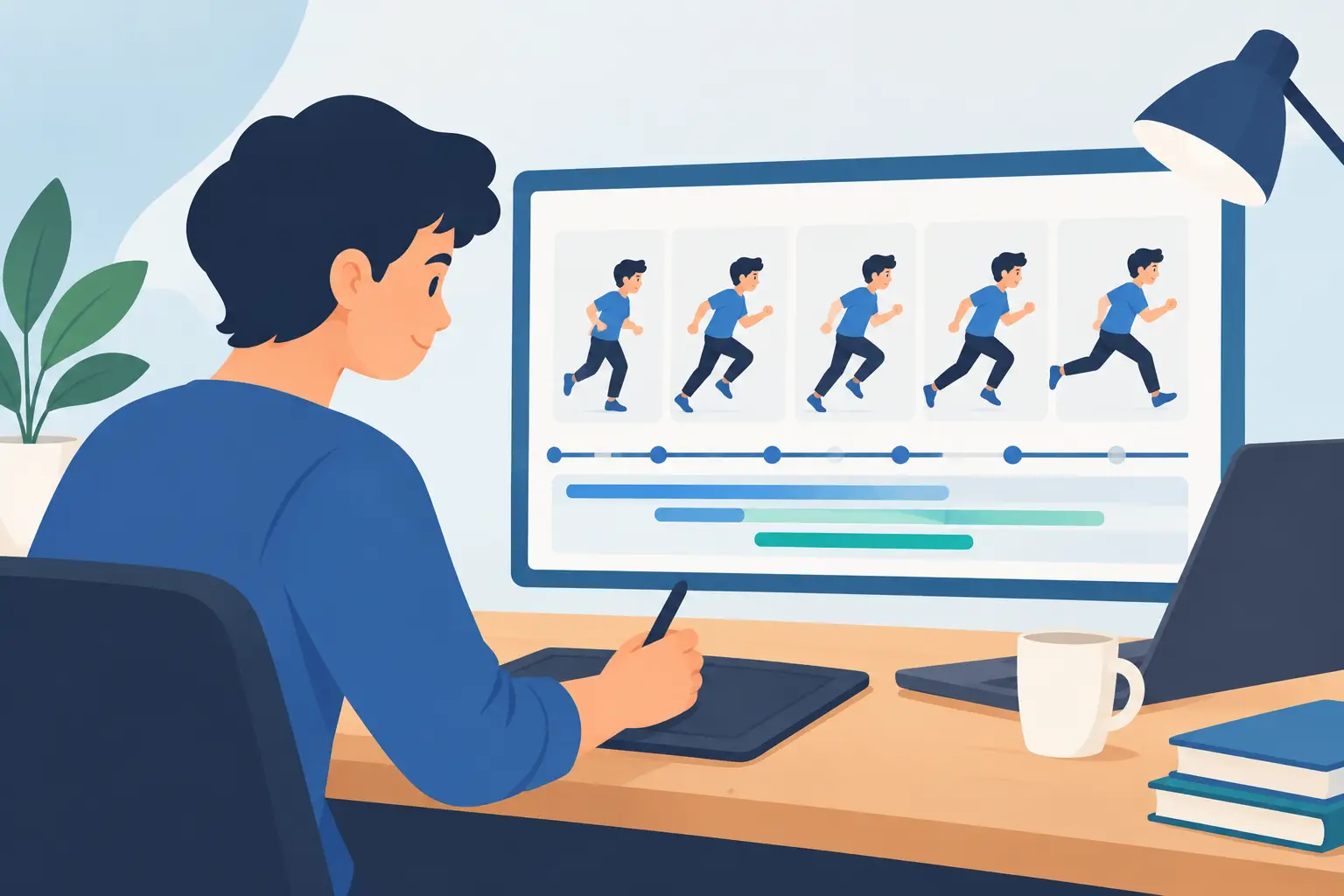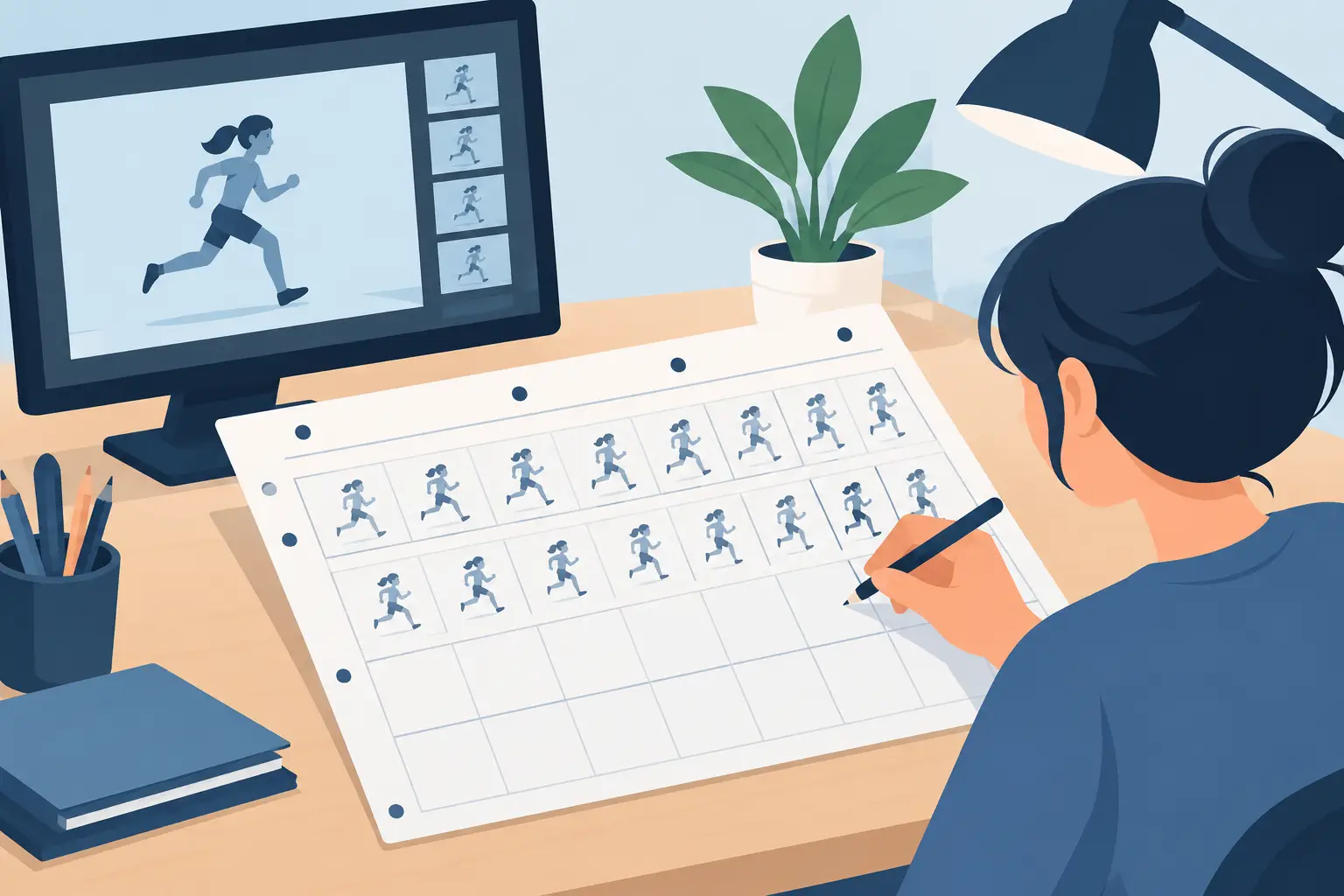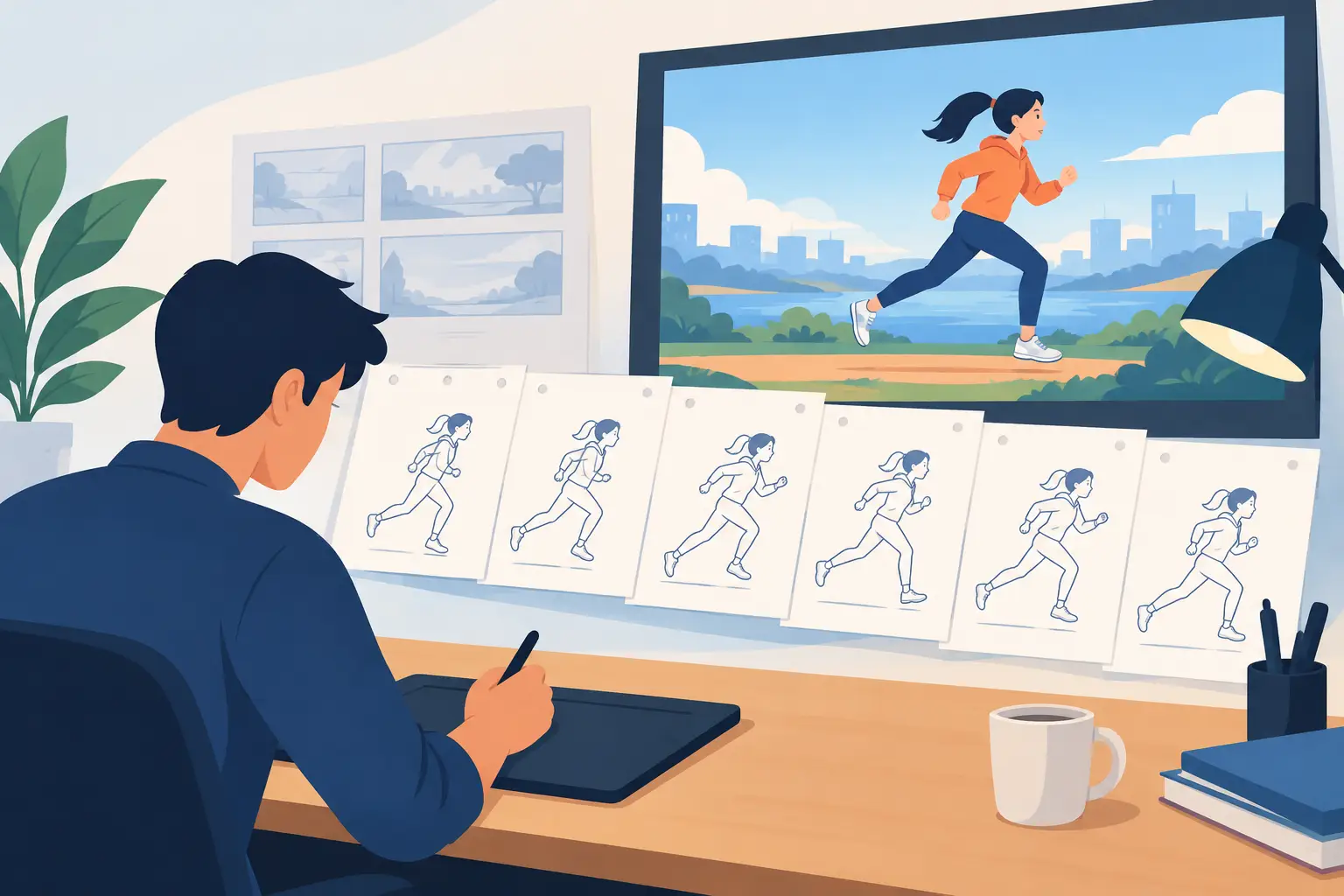
A character finishes a line, stares at the door, and does nothing for eight frames. If that moment feels tense, thoughtful, or funny, it is not because nothing is happening. It is because the animator chose the hold well. Animation holds give drawings time to register, give an audience time to read an idea, and keep a scene from becoming a blur of constant movement.
Beginning animators often treat a hold as empty space between the interesting drawings. In production, it is a drawing with a job. A hold can sell weight after a hard landing, let a reaction land after a surprise, preserve a strong silhouette, or create contrast before a fast action. The question is never simply, “Should this drawing hold?” The real question is, “What should the audience feel while it holds?”
What Animation Holds Actually Do
A hold is a period in which a drawing, pose, or controlled position remains on screen for more than one frame. In hand-drawn work, that may mean exposing the same drawing for several frames. It may also mean holding the main pose while small secondary action continues: a blink, a shifting eye line, a drifting hand, a moving shadow, or a slight settle in the chest.
The simplest hold is a static exposure. It is useful, but it is not automatically dead. A clean, deliberate still pose can be powerful when the design is clear and the scene needs a moment of certainty. Think of a character realizing bad news. If the head turns, the brows lift, the mouth changes, and the shoulders move all at once, the audience may miss the reaction. Hold the realization for a beat and the thought becomes readable.
More often, animation holds are living holds. The primary action pauses, but the character remains present. A confident character may hold with almost no movement. A nervous character may hold with a tiny finger twitch or a repeated glance. The choice comes from acting, not from a rule that every held drawing needs to wiggle.
Timing a Hold for the Shot, Not the Formula
There is no universal frame count for a good hold. Frame rate, shot scale, acting style, and what comes before and after all matter. At 24 frames per second, a two-frame hold barely registers as a pause. An eight-frame hold can create a useful beat. A 24-frame hold can feel deliberate, uncomfortable, peaceful, or frozen depending on the context.
Start by looking at the action around it. Fast motion usually needs a clearer hold afterward so the audience can read the result. A slow, thoughtful scene may need longer pauses between changes in expression. In broad comedy, a hold before or after a gag can create the timing that makes the gag work. In a close-up, even a brief hold can feel long because the audience is reading the eyes and face.
A practical test is to play the scene without watching individual drawings. Watch it at speed, then ask whether the beat reads too quickly, drags, or lands exactly where you intended. If the emotion is unclear, adding more in-between drawings is rarely the first answer. Often the stronger fix is a better pose and a better hold.
Use holds to separate thoughts
A character should not appear to think every idea at the same time. When an actor changes from confidence to doubt, or from surprise to decision, give each thought room. The held pose becomes punctuation between ideas.
This is especially useful in dialogue. Let the mouth action finish, then hold the expression for a few frames before the next line or reaction. That small gap can make dialogue feel considered rather than mechanically lip-synced. It also lets the audience see the performance instead of only following mouth shapes.
Use holds to show weight and force
Weight needs resistance. When a character drops a heavy box, lands from a jump, or pushes against a wall, the body should not immediately rebound into the next action. A held compression or impact pose tells the audience that force traveled through the character.
The hold does not need to be perfectly still. A heavy action may settle through one or two closely related drawings. But the key pose must remain long enough to be felt. If it flashes by, the action loses mass and starts to look floaty.
Static Holds Versus Moving Holds
Choose a static hold when the graphic shape is strong and stillness supports the performance. A villain framed in a doorway, a character caught in embarrassment, or a wide shot that needs the audience to absorb a staging idea may benefit from a true still hold. It can also save labor where additional movement contributes nothing to the shot.
Choose a moving hold when the scene needs life but not a new action. Breathing is the familiar example, though it is easy to overuse. Big, repeated breathing can make every character look like they are inflating on a loop. Keep the movement specific to the character and the circumstance. A tired character may sink slightly. A child trying not to laugh may shake at the shoulders. A character listening closely may lean forward a fraction and hold there.
The trade-off is clarity. Too much secondary movement breaks the pause and steals attention from the main pose. Too little movement can make a long hold feel like the playback has stopped. The right amount depends on whether the shot is asking the audience to read a design, a thought, or a physical condition.
Build Holds Into Your Rough Animation
Plan holds while roughing the scene, not after clean-up. Mark the major storytelling poses first: the anticipation, the action, the impact or change, and the reaction. Then decide where the audience needs time. This gives you a timing structure before you spend hours refining drawings that may later need to move.
A useful rough-animation habit is to label the reason for each longer hold. Write a short note such as “reads the lie,” “impact,” “waits for answer,” or “sees the clue.” If you cannot name the purpose, the hold may be accidental. Accidental holds happen when an animator is solving a drawing problem instead of controlling the scene’s rhythm.
Keep an eye on the silhouette. A hold exposes every weakness in a pose because the audience has time to inspect it. Make sure the line of action is clear, the hands support the acting, and the head direction tells us where the character’s attention is. A good held drawing is often one of the most important drawings in the shot.
Common Hold Problems and Better Fixes
The most common problem is holding because the animator does not know what happens next. That creates a pause with no intention. Instead of extending the exposure, return to the character’s objective. Are they deciding, resisting, listening, recovering, or waiting? Give the held pose evidence of that action.
Another problem is using identical hold lengths everywhere. Even timing makes animation feel mechanical. Vary the duration according to emphasis. A quick glance may only need a few frames. A painful realization may need a noticeably longer beat. Rhythm comes from contrast.
Avoid adding a blink simply because a pose is on screen for a while. Blinks are acting choices. A blink can release tension, hide a thought, signal disbelief, or reset attention. Put it where it changes the performance, not where it merely fills time.
Finally, do not judge holds only while scrubbing frame by frame. Scrubbing is excellent for checking drawings, but timing is experienced in motion. Play the shot repeatedly, make a small adjustment, and play it again. FlipBook lets you adjust timing during playback, so you can test the beat while it is still fresh instead of stopping to rebuild the timing and preview from scratch.
Give the Audience a Reason to Wait
The best holds create anticipation without announcing themselves. They let a pose breathe, let a joke land, or let an audience recognize the thought behind the eyes. They are not empty frames. They are part of the performance.
When a scene feels rushed, do not immediately add more drawings. First ask whether the important drawing has been allowed to stay on screen long enough to matter. A well-chosen hold may be the smallest change you make to a shot, and the one that makes your character feel alive.