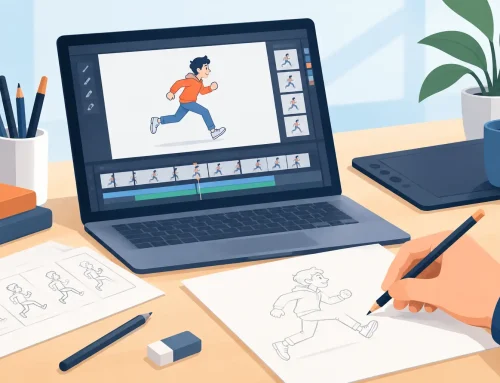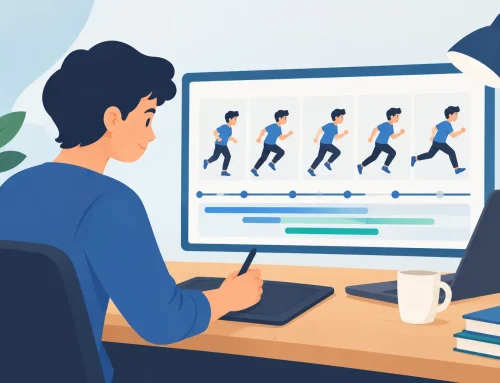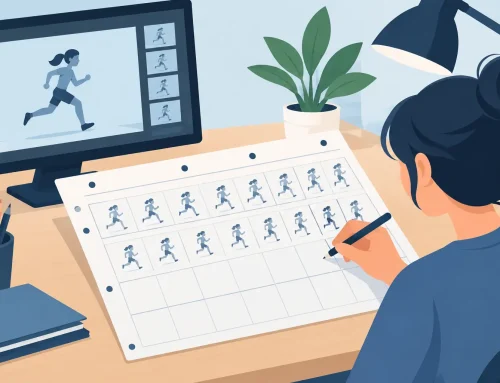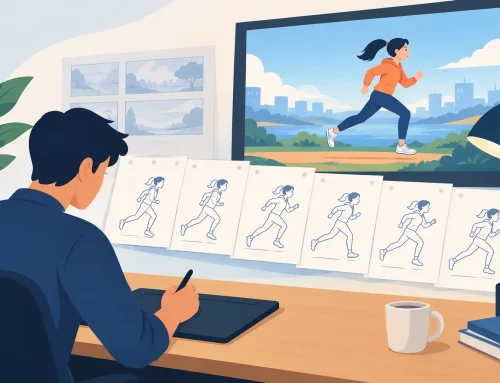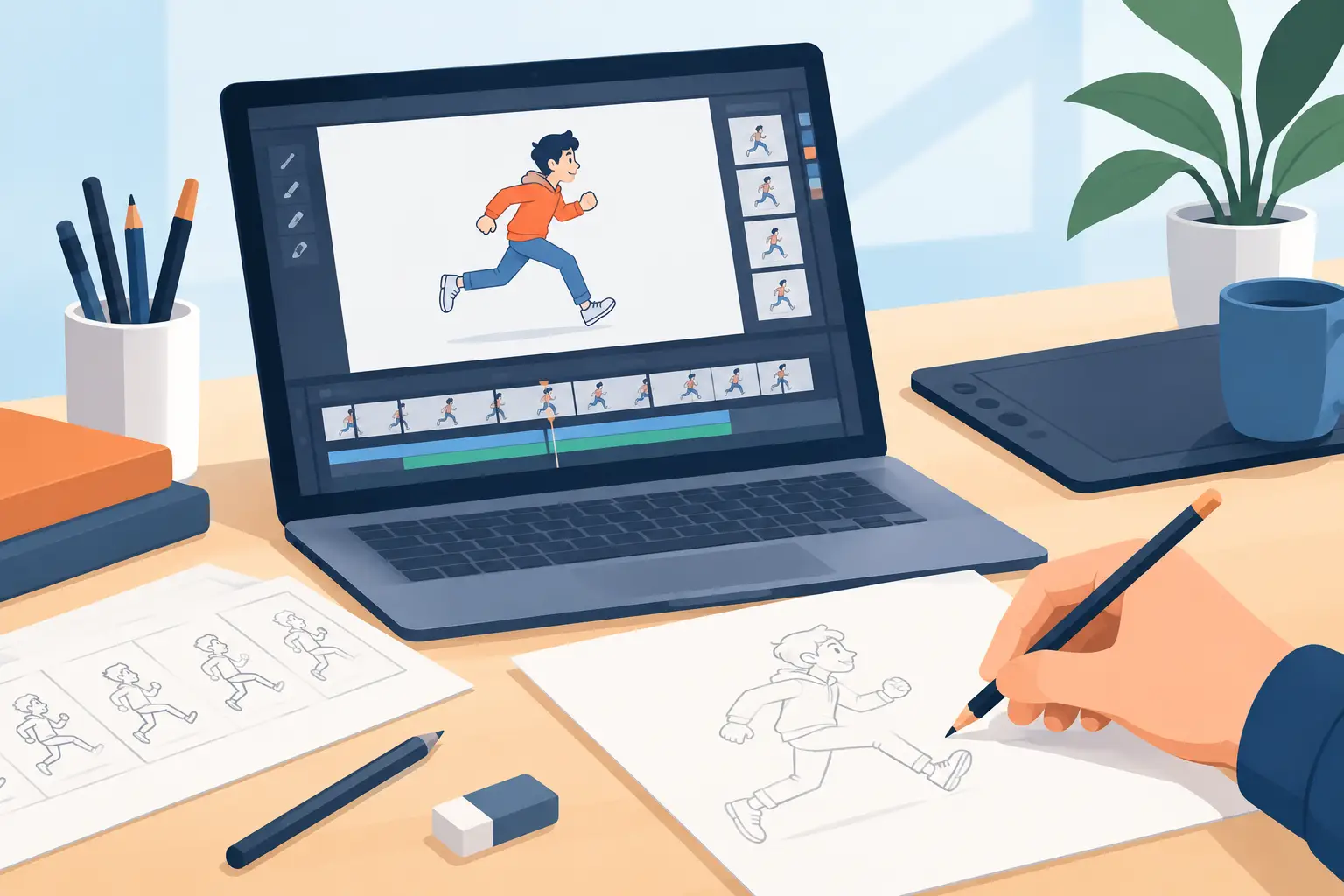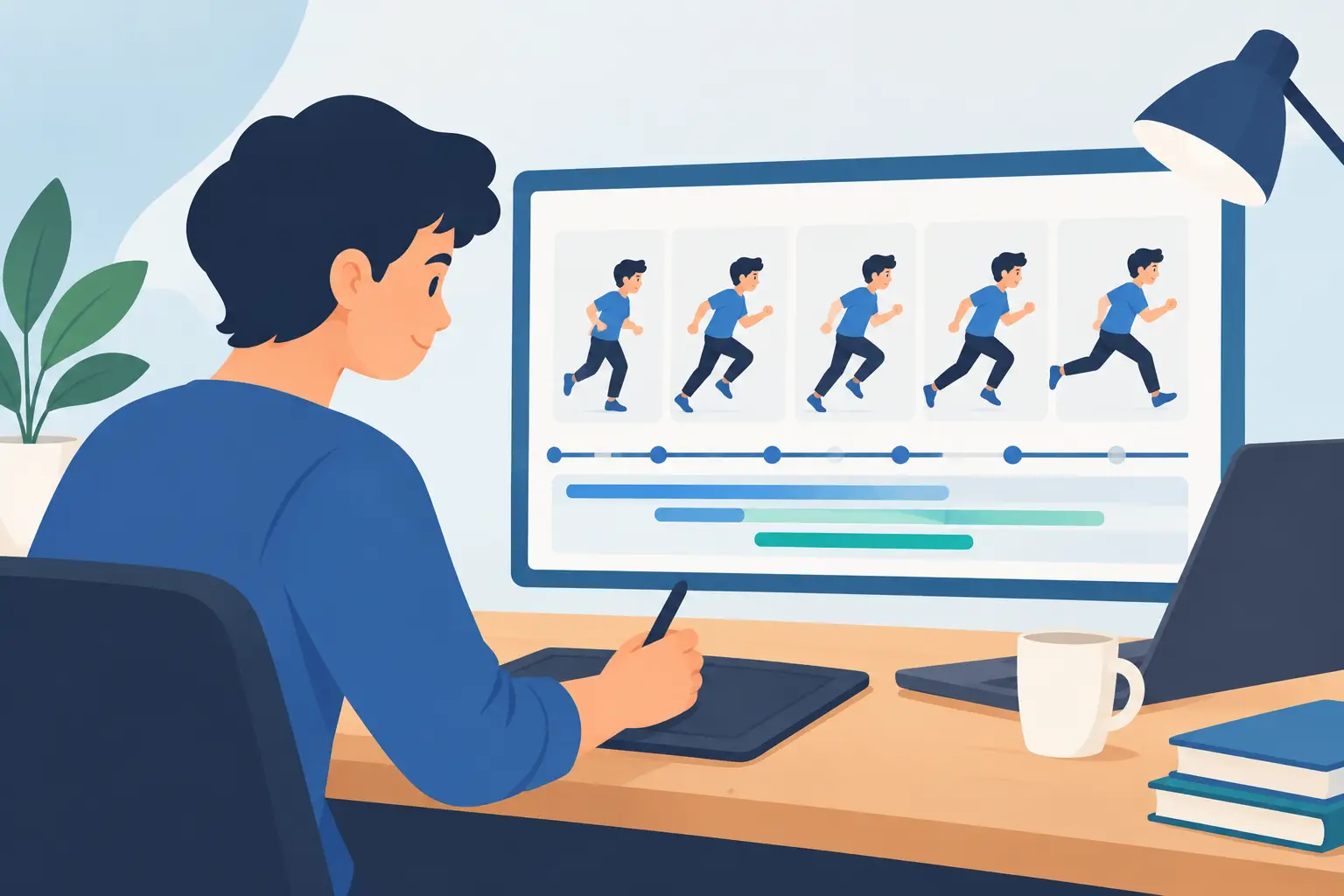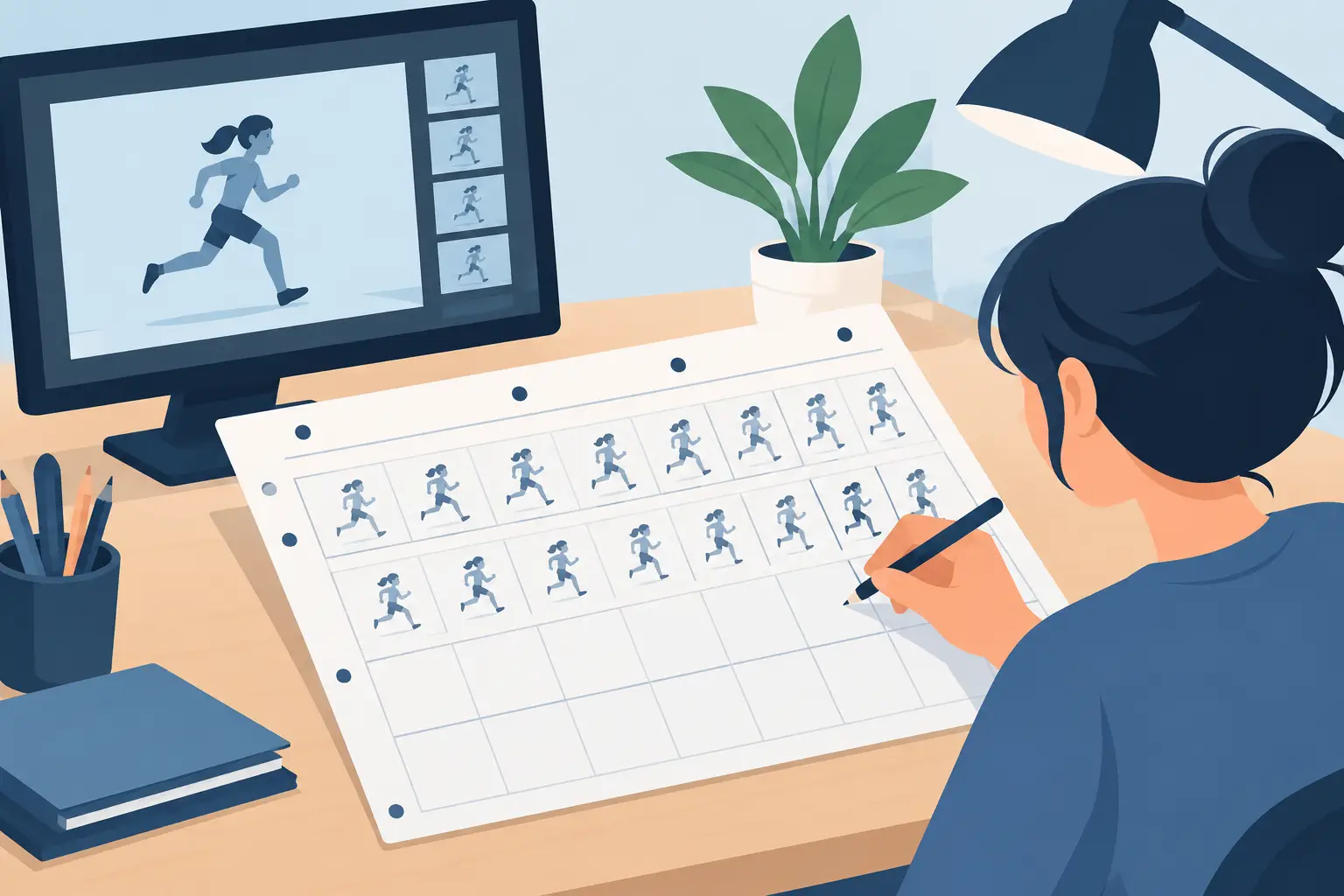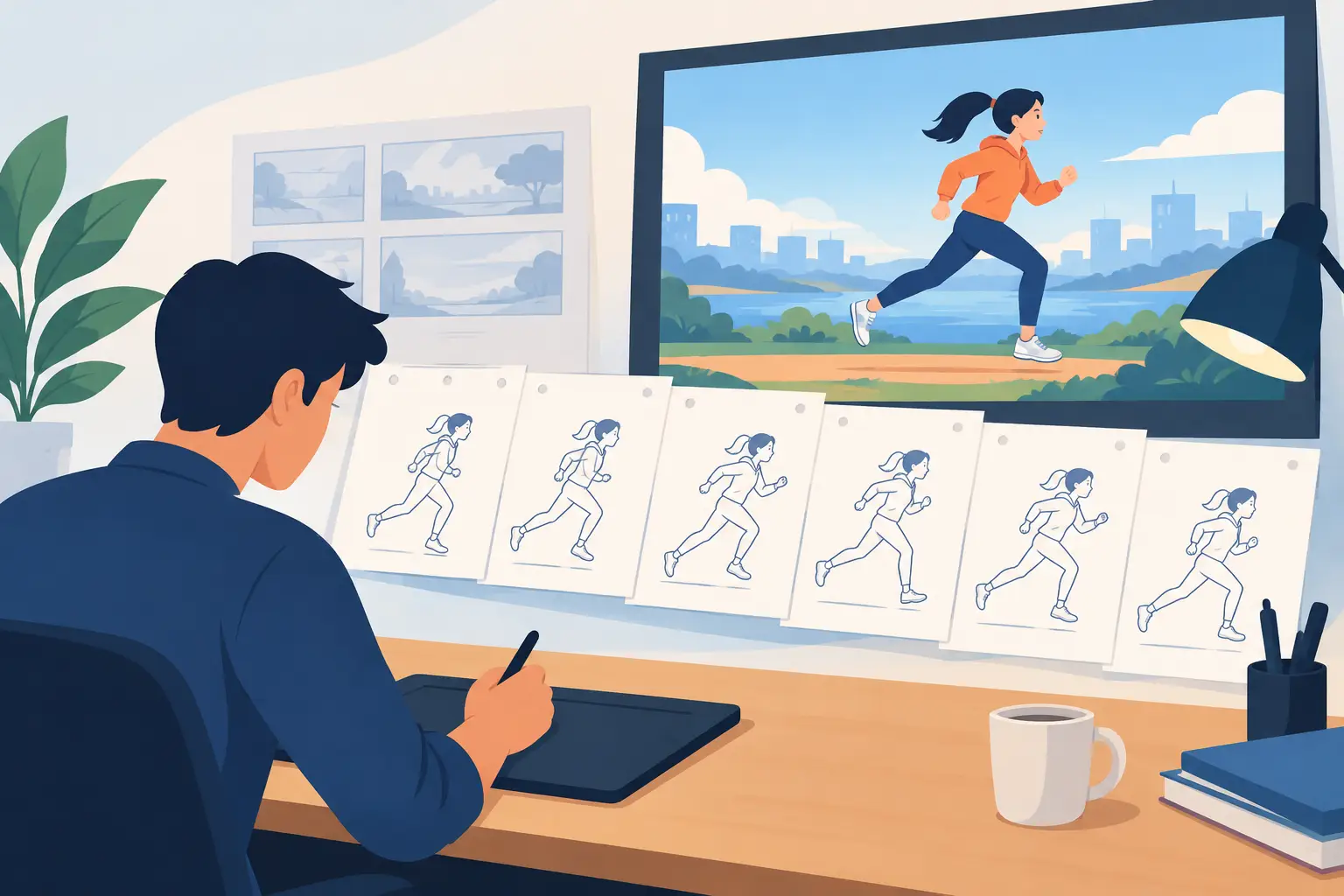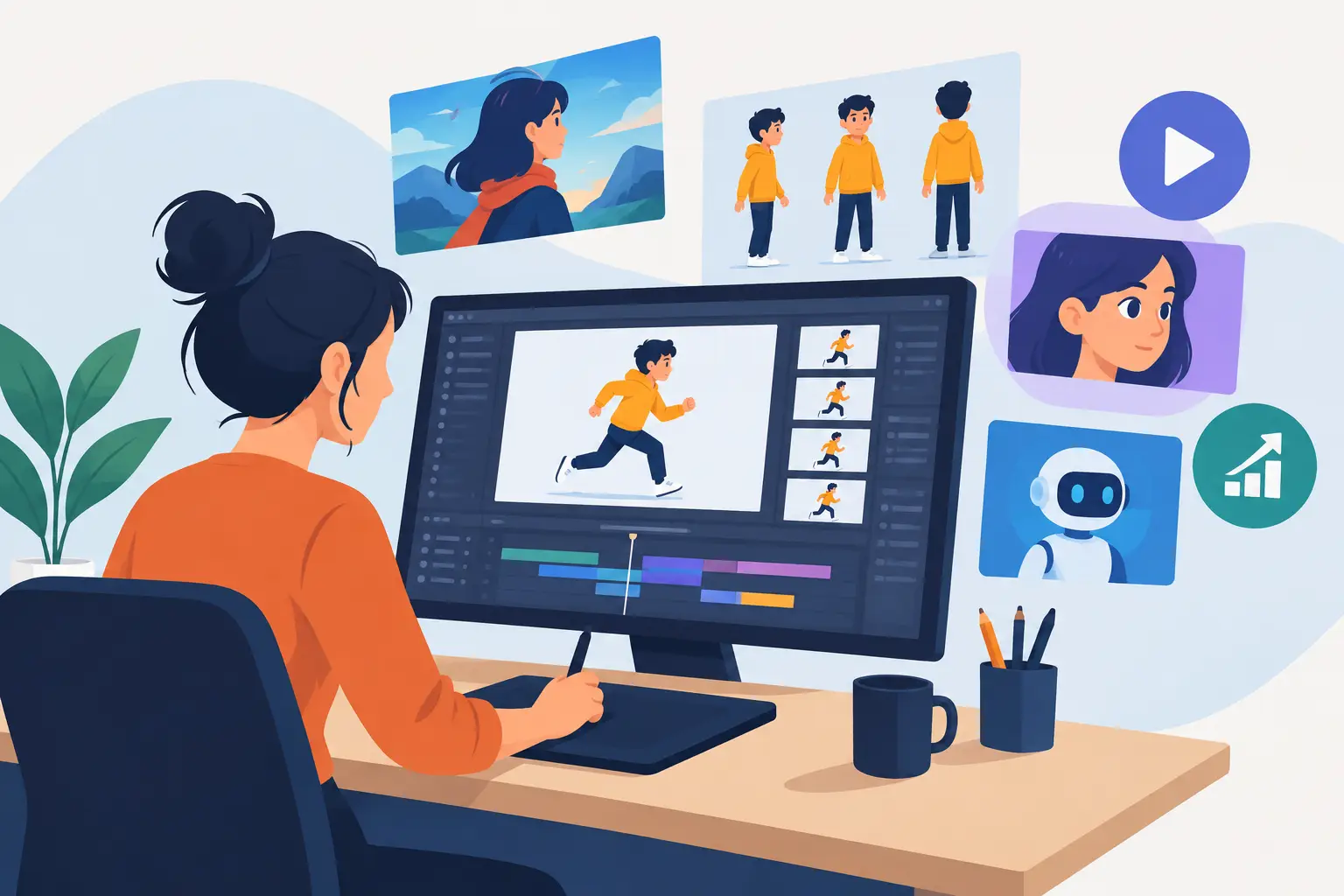
A character may appear on screen for only three seconds, but those three seconds can still require strong posing, clean arcs, readable spacing, and timing that sells the idea. That is why the most meaningful 2D animation industry trends are not simply about new software features or flashy visual styles. They are about whether animators can make better drawings, make decisions faster, and keep control of the performance from rough pass to final color.
For students, independent filmmakers, and small studios, the opportunity is real. Demand for expressive character animation remains strong across entertainment, education, games, advertising, and social video. The pressure is real, too: more content is expected on tighter schedules, often from smaller teams. The studios and artists who succeed will not be the ones chasing every new tool. They will be the ones building a practical pipeline around the fundamentals.
2D Animation Industry Trends Are Bringing Craft Back Into Focus
For years, many production conversations treated 2D as a budget-friendly alternative to 3D or a shortcut for fast web content. That view is changing. Hand-drawn and hand-crafted animation has become a deliberate creative choice because it can carry personality that polished, automated visuals often flatten out.
Audiences recognize a convincing performance. A slightly irregular line, a held drawing at the right moment, or a fast breakdown that gives a movement weight can make a character feel alive. These are not accidents. They come from animators making frame-by-frame choices.
This does not mean every project needs fully animated drawings on ones. Limited animation remains a smart production method when it is designed well. A dialogue scene may rely on strong key poses, carefully chosen holds, and selective movement. An action scene may need more drawings, faster changes of spacing, and a looser line. The trend is not toward using more frames everywhere. It is toward using the right drawings where the performance needs them.
That makes traditional animation skills more valuable, not less. Artists who understand timing, spacing, silhouette, overlap, and staging can adapt to almost any visual direction. Software should support those decisions rather than bury them beneath a complicated pipeline.
Smaller Teams Are Producing More Original Work
Independent production is no longer limited to a few festival shorts made between freelance jobs. Small teams can now develop pilots, music videos, educational series, game cinematics, and branded stories without the overhead of a large studio. Distribution channels are broader, and audiences will follow a distinctive point of view.
The trade-off is that small teams cannot afford wasted motion in the production process. If an animator must stop work to repaint frames one at a time, hunt through menus for basic scene controls, or repeatedly preview a shot just to judge a timing adjustment, production slows down quickly.
A practical 2D workflow needs to make the core jobs direct: rough animation, clean-up, painting, playback, timing changes, and camera moves. Each stage should preserve the animator’s concentration. This is especially important for a one-person film or a studio where the same artist is handling boards, animation, color, and compositing.
Small productions also benefit from deciding early what must be animated and what can be designed. A strong layout, a reusable background, or a controlled camera pan can add production value without creating unnecessary drawing work. That is not cutting corners. It is classical production planning.
Timing Control Is Becoming a Competitive Advantage
Timing has always been the engine of animation. It determines whether a character feels heavy or light, confident or nervous, sharp or lazy. Yet many digital applications treat timing as a technical setting that requires a separate stop-adjust-preview cycle.
That interruption matters. An animator often needs to scrub a scene, feel the rhythm, shift a drawing, and immediately see whether the action now works. When the response is immediate, timing becomes part of drawing. When it is delayed, the animator starts working around the software instead of working on the performance.
Real-time timing adjustment is therefore more than a convenience feature. It gives artists room to experiment. A take can be held longer. A reaction can come two frames earlier. A fast action can be opened up without guessing. Those small decisions are where an ordinary scene becomes a scene with personality.
This trend also changes how students learn. Beginners need to see cause and effect: change the exposure, play the shot, and understand what changed. A workflow that makes timing visible and responsive teaches animation principles far better than one that turns every adjustment into software administration.
Efficient Digital Painting Matters More Than Ever
Color is another area where the wrong tool can quietly consume a production. On a short test, slow painting is annoying. Across hundreds or thousands of frames, it becomes expensive.
The best digital painting workflows respect the way traditional scenes are built. Artists need to fill areas quickly, correct edges without struggle, manage consistent colors, and keep moving through the scene. They do not need a painting process designed primarily for static illustration when they are coloring animated drawings.
There is a balance to consider. Highly textured work, painterly backgrounds, and elaborate compositing may call for specialized applications later in the pipeline. But the animation program itself should make straightforward frame painting fast. Clean color decisions and reliable paint tools protect both schedule and visual consistency.
For independent artists, efficient painting also makes revision less frightening. If a director changes a costume color or a prop design, a well-organized scene can be updated without turning a simple note into a full day of repair work.
AI Will Change Production, But It Will Not Replace Direction
No discussion of current 2D animation trends is complete without artificial intelligence. AI-assisted tools are already being used for ideation, reference gathering, cleanup experiments, voice-related tasks, and repetitive production work. Some teams will find useful applications. Others will decide that the trade-offs in quality, ownership, training data, or visual consistency are not acceptable.
The key distinction is between generating material and directing performance. Animation depends on intention. A character’s pause before speaking, the spacing in a jump, and the shape of a hand during a gesture are storytelling choices. A system can produce options, but it does not replace an animator who knows why one drawing works better than another.
Artists should be cautious about any process that makes work look finished before it has been properly designed. Fast output can hide weak acting, muddy staging, or inconsistent construction. It can also make a project harder to revise because the underlying choices were never clearly established.
The stronger approach is to use technology where it removes drudgery, then keep human judgment at the center of rough animation, timing, design, and final approval. That is where authorship lives.
Flexible Pipelines Beat One-Size-Fits-All Systems
A modern 2D project may begin with drawings on a tablet, move to a desktop application for scene work, and finish with editing, sound, and compositing elsewhere. That is normal. The goal is not to force every task into one application. The goal is to avoid losing time and control as files move between stages.
For traditional animators, the center of the pipeline should remain the scene itself: the drawings, their order, their exposure, and their playback. Camera-style moves such as pans, zooms, rotates, blurs, and dissolves are useful because they can support the shot without requiring an artist to rebuild the work in another environment. Used well, they expand what a small team can achieve. Used carelessly, they become a substitute for staging.
This is where purpose-built software has an advantage. FlipBook, for example, is designed around the familiar production sequence of roughs, clean-up, painting, and timing, while giving animators direct playback and camera controls. That approach is valuable because it keeps the artist close to the work instead of asking them to adapt to a generic graphics workflow.
The Best Trend to Follow Is Better Animation
Styles will cycle. Platforms will change their specifications. New tools will make dramatic promises. The enduring value is still the ability to put a believable idea on screen, one drawing and one frame at a time.
Build your process around tools that let you draw naturally, paint efficiently, and adjust timing while you can still feel the scene. Then spend the saved time where viewers will notice it: clearer acting, stronger poses, and animation that has something worth watching twice.