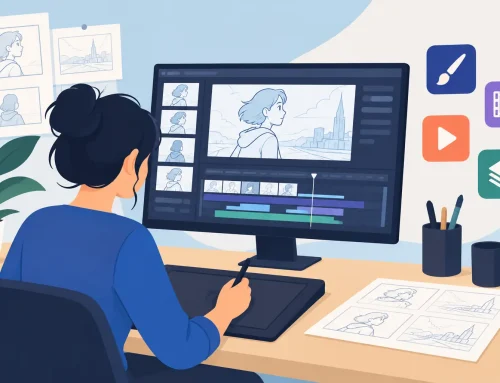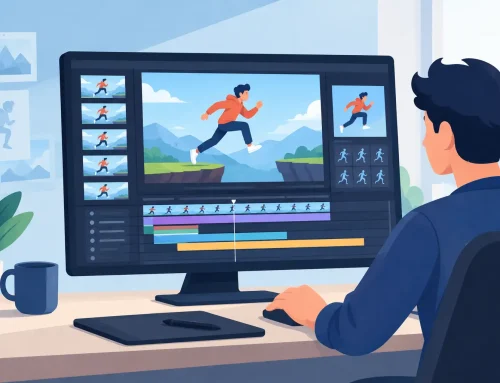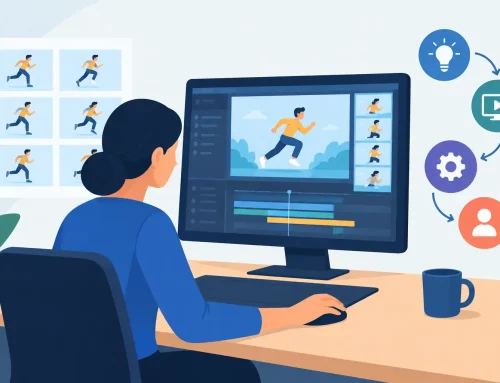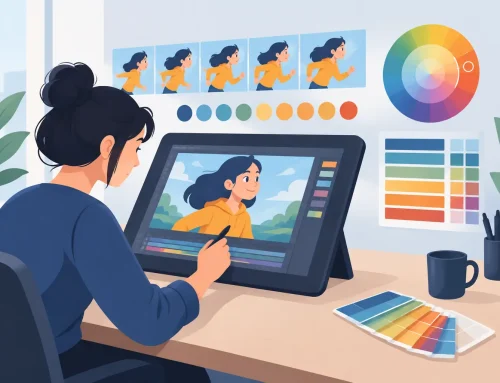
A character lifts a coffee cup. If the action happens too fast, the cup feels weightless. Too slow, and the character looks weak, tired, or confused. The drawing may be excellent, but if you are still asking why does animation timing matter, this is the reason – timing decides how the audience reads every movement.
Why Does Animation Timing Matter in 2D Animation?
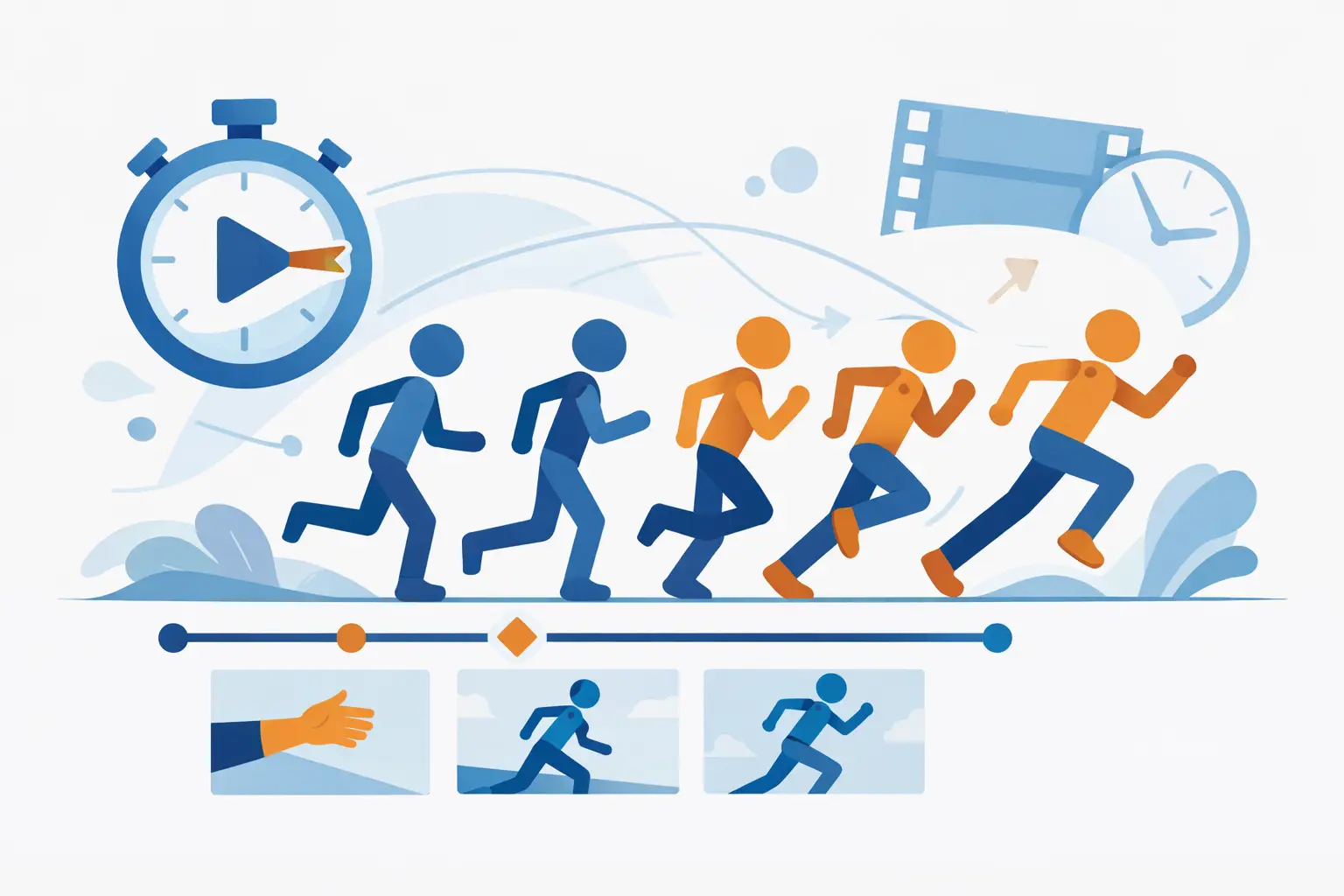
Timing is the number of frames assigned to an action. In practical terms, it is how long something takes to happen on screen. That sounds simple, but it affects nearly everything the audience perceives – weight, force, mood, intent, comedy, realism, and even story clarity.
In drawn animation, timing is not a polish pass. It is part of the performance. A head turn on 6 frames feels different from a head turn on 12, even if the drawings are nearly identical. The spacing matters too, but timing sets the basic duration, and duration tells the viewer what kind of action they are watching.
This is where many beginners run into trouble. They focus on making better drawings when the real problem is that the action is taking the wrong amount of time. Experienced animators know better. A rough scene with strong timing often plays better than a beautifully cleaned-up scene with weak timing.
Timing Creates Weight, Force, and Believability
Audiences may not count frames, but they feel timing immediately. Heavy objects need time to start and stop. Light objects can snap, bounce, or change direction quickly. If a bowling ball falls like a balloon, the illusion breaks. If a feather drops like a brick, the audience notices, even if they cannot explain why.
The same rule applies to characters. A large character rising from a chair should not move like a tiny bird hopping off a branch. A tired character should not react with the same speed as a nervous one. Timing tells the viewer how much mass a body seems to have and how much effort the action requires.
This is also why timing cannot be separated from acting. A delayed reaction can show hesitation. A fast recoil can show fear. A held pose before a movement can show thought. You are not just deciding how many frames to use. You are deciding what the audience believes.
Good Timing Clarifies the Idea
Animation has to read clearly, often in a fraction of a second. If timing is off, the action gets muddy. A gesture may happen before the audience has time to register it. An expression may linger so long that it loses its point. A gag may land late and feel flat.
Clear timing helps the viewer track the important action. It gives enough time for a pose to read, then moves on before the scene goes stale. That balance changes depending on the shot. A broad comedy take may need a stronger hold. A fast action scene may need tighter timing so the energy stays alive. There is no single perfect number of frames for every move. There is only the timing that serves the shot.
This is one reason animators flip and play scenes constantly while roughing them out. Timing problems reveal themselves in motion. A drawing that looks strong in isolation can fail completely when it appears one frame too long or one frame too short.
Why Does Animation Timing Matter for Emotion?
Emotion depends on rhythm. A character who pauses before speaking feels different from one who blurts out the line. A slow blink can suggest skepticism, fatigue, or sadness. A rapid blink can suggest surprise or panic. Timing shapes these choices before dialogue or sound ever enters the scene.
In classical animation, this is where craft shows. The animator is not merely moving parts around. The animator is staging thought. A look, a hold, a shift of weight, then an action – that sequence works because of timing.
The trade-off is that emotional timing is rarely mechanical. If you make every action efficient, the scene can become lifeless. If you overindulge every pause, the scene drags. Good timing often lives between those extremes. It gives the audience enough space to feel the moment without calling attention to the machinery.
Comedy and Impact Depend on Timing
Comedic timing is famous for a reason. A reaction that happens two frames early may spoil the gag. Two frames late may weaken it. The same is true for impacts, takes, and reveals. The audience needs setup, action, and response in the right order and at the right speed.
That does not mean comedy is always fast. Sometimes the funniest choice is a hold. Sometimes the best impact comes from delaying the action just long enough to build anticipation. A classic take works because the character registers, processes, and then explodes into reaction. Remove the timing control, and the whole bit falls apart.
Action scenes work the same way. Fast movement feels more powerful when it is contrasted with a brief anticipation or a solid settle afterward. Constant speed is usually dead. Variation creates life.
Timing Is Where Workflow Either Helps or Gets in the Way
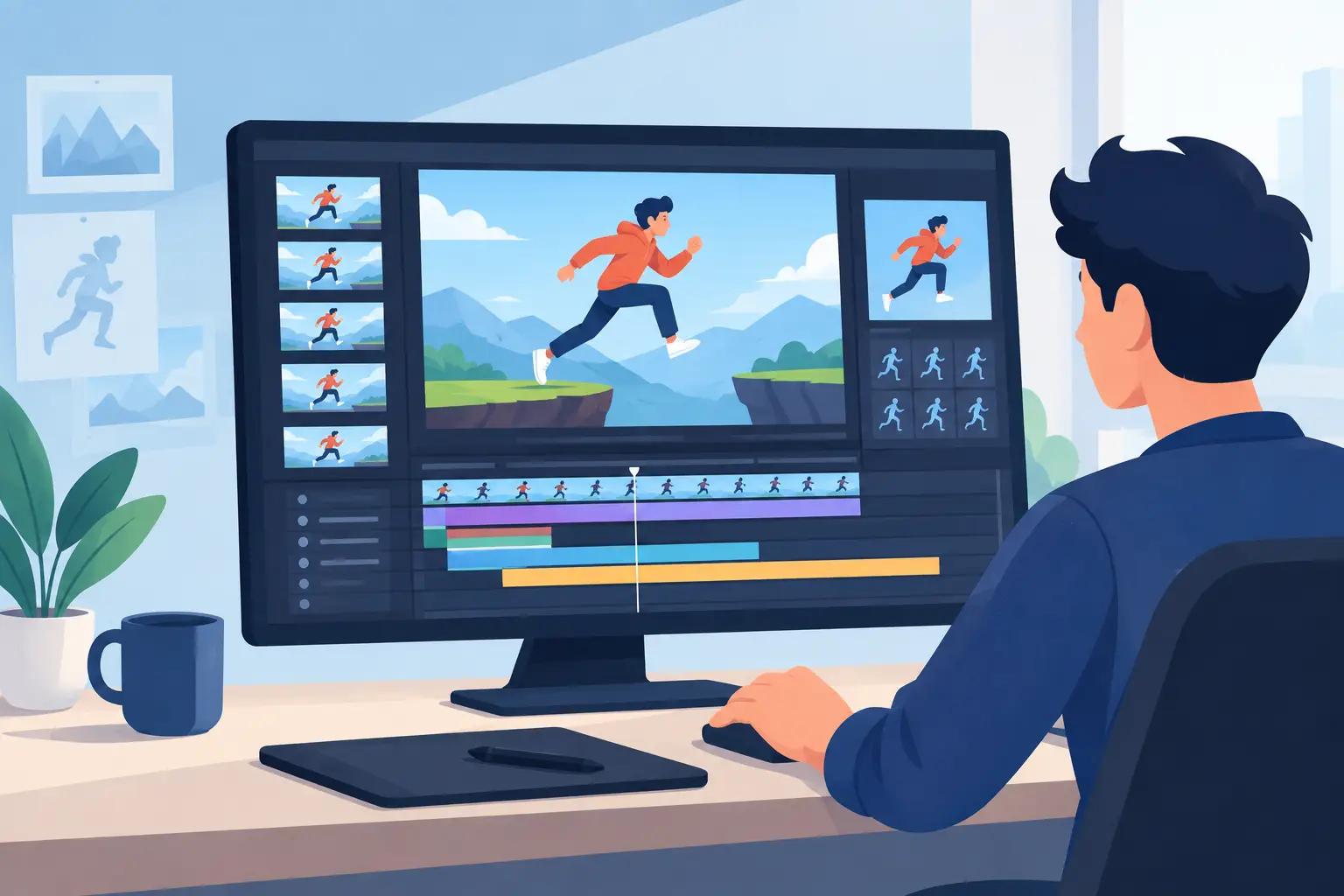
This matters in production because timing is not something you solve once. You test it, adjust it, and test it again. If your software forces you into a stop-adjust-preview cycle every time you want to try a change, you lose momentum. That interruption affects the scene and the artist.
Traditional animators need to feel timing while they work. They need to scrub, play, shift exposures, and see the result immediately. That is how you judge whether a hold is too long, whether a breakdown needs more breathing room, or whether a reaction should hit sooner.
A tool built for hand-drawn work should support that process instead of slowing it down. This is one reason DigiCel FlipBook stands out for serious 2D production. Real-time timing adjustment lets animators work the way they think – in motion, in context, and without breaking concentration every few seconds.
Timing and Spacing Are Not the Same Thing
These two ideas are often taught together, and rightly so, but they are not interchangeable. Timing is how many frames the action takes. Spacing is where the drawings sit from frame to frame. You can keep the same timing and change the spacing to alter the feel of the move. You can also keep similar spacing patterns and change the timing to alter the read.
For example, a ball crossing the screen in 12 frames can feel smooth, sharp, or mechanical depending on spacing. But if you change the shot to 24 frames, the audience reads a different speed and a different level of energy before they even study the arcs.
Beginners often try to fix timing issues by redrawing everything. Sometimes the real answer is simpler. Add frames where the audience needs to feel weight. Remove frames where the action should snap. Hold a pose longer so the idea reads. Shorten a settle so the scene does not sag.
The Right Timing Depends on the Shot
There are principles, but there are no universal frame counts that solve every problem. A realistic walk, a cartoony take, and a dramatic close-up all ask for different treatment. Production style matters. Shot size matters. Character design matters. Even the surrounding edits matter.
A broad TV comedy may favor punchy timing and stronger contrasts. A feature-style performance scene may need subtler holds and transitions. An educational scene for students may exaggerate timing choices so the principle reads clearly. None of these approaches is automatically right or wrong. The right choice is the one that makes the action believable for that film, that character, and that moment.
That is why experienced animators test scenes in motion as early as possible. Timing is not theory. It is a screen result.
Better Timing Makes Every Drawing Work Harder
This is the practical payoff. When timing is strong, you often need fewer drawings than you think. The performance reads, the action feels intentional, and the scene carries energy. When timing is weak, no amount of polishing can fully rescue it.
That should be encouraging, especially for students and independent filmmakers. You do not need a mountain of in-betweens to make animation feel alive. You need control over duration, rhythm, and playback so you can shape the performance with confidence.
If you want your drawings to carry weight, emotion, and clarity, timing is not a side issue. It is the mechanism that makes the scene live. Learn to judge it early, adjust it often, and trust what plays on screen more than what looks good in a single frame. That is where animation stops being a stack of drawings and starts becoming performance.