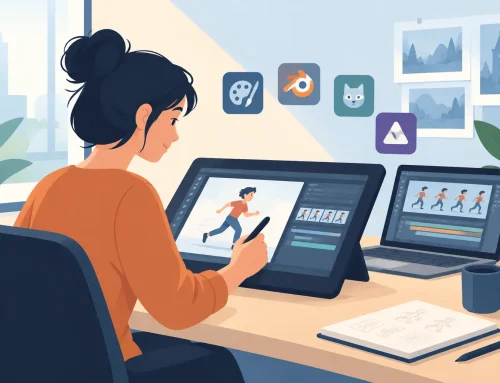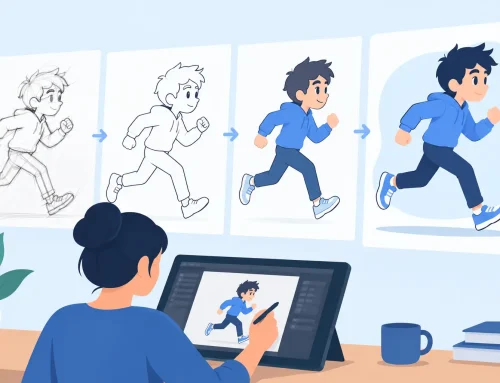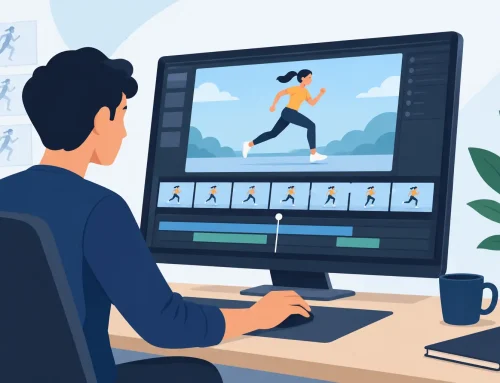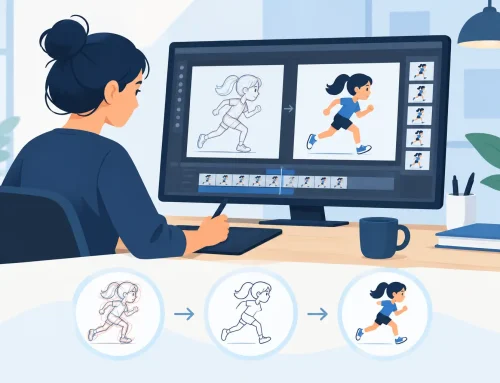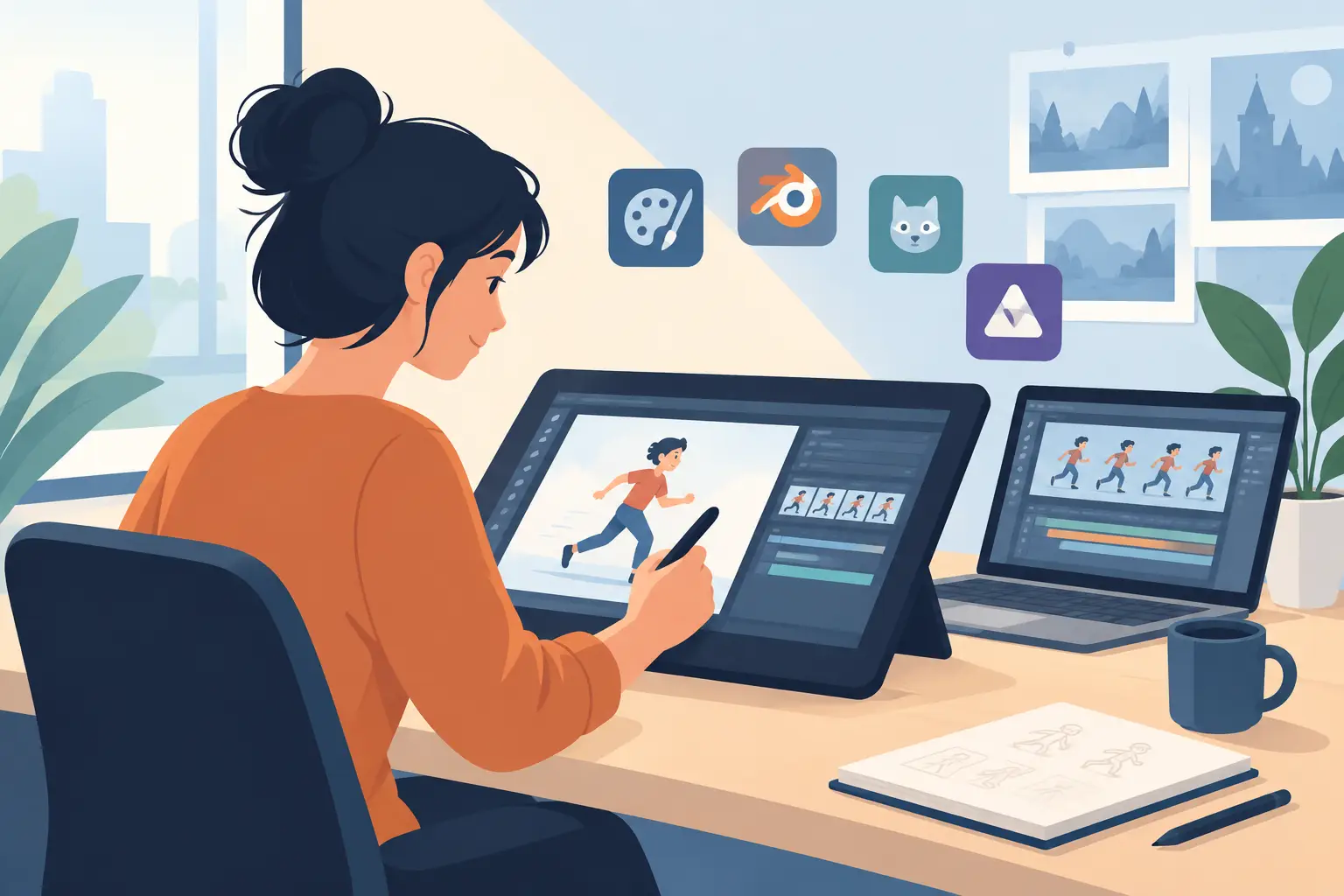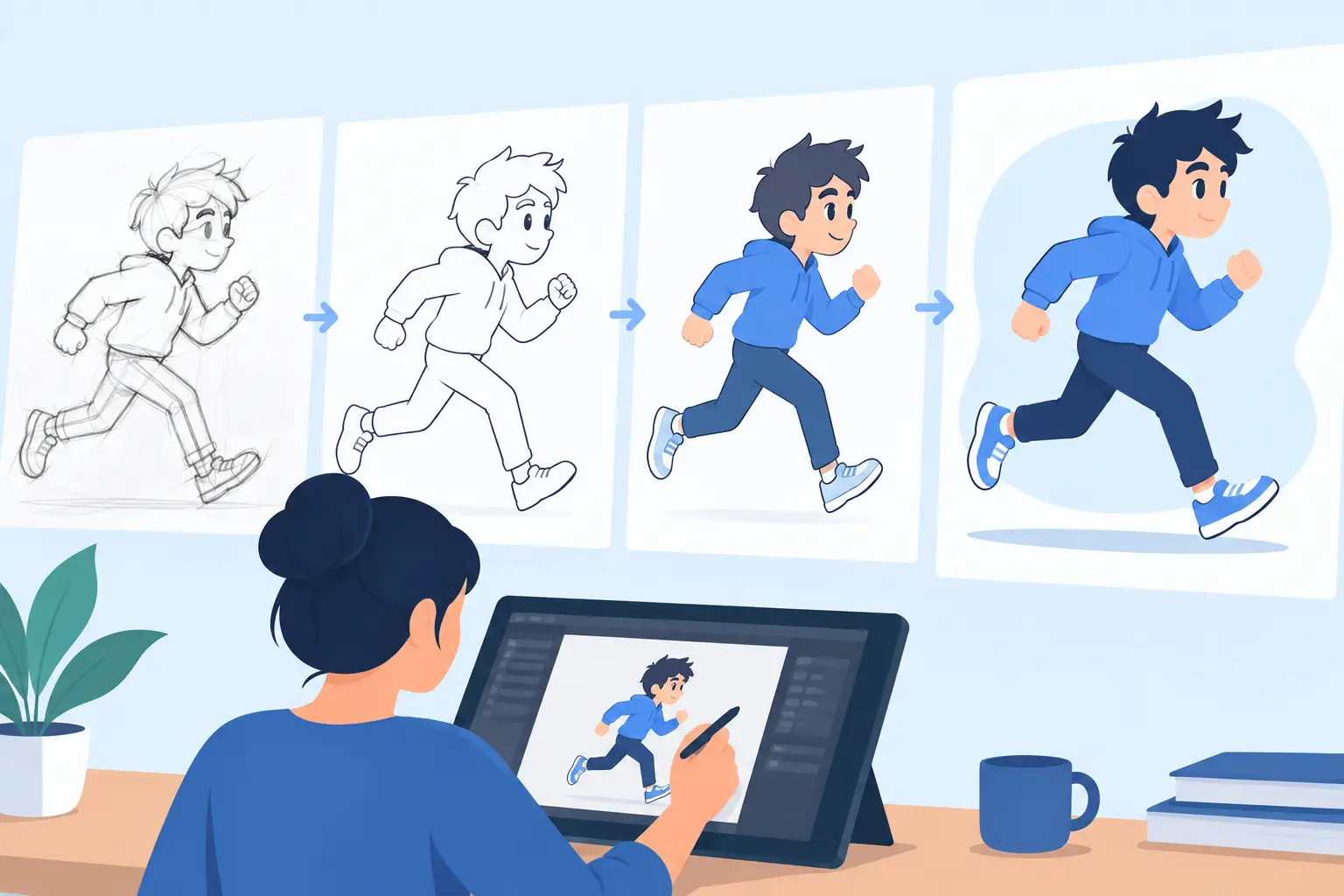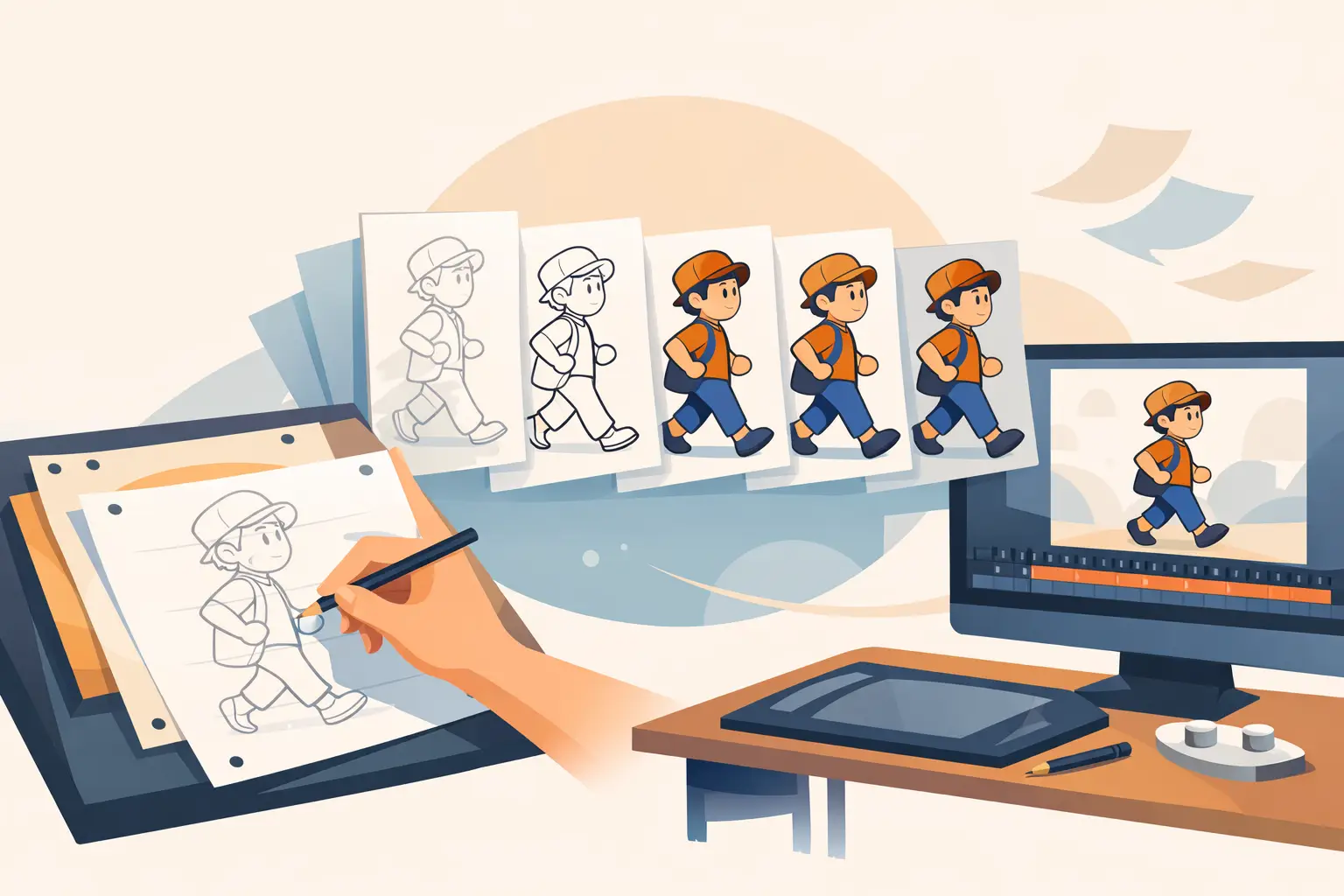
A character does not become convincing because its line is perfectly smooth. It becomes convincing when the pose changes at the right instant, the spacing carries weight, and the drawing holds long enough for the audience to feel the thought behind it. The future of hand drawn animation will be decided by those fundamentals, not by whether the artist works on paper or a screen.
That is good news for animators. Digital production has changed the speed of the job, but it has not replaced the work that gives drawn animation its force: roughing out action, refining arcs, controlling timing, and making deliberate choices from frame to frame. The tools that last will be the ones that make those choices faster without making the work feel mechanical.
Why Hand-Drawn Animation Still Has a Job to Do
Hand-drawn animation has always offered something that automated movement struggles to produce: a visible point of view. A drawn performance can be broad, subtle, uneven, graceful, or deliberately strange because an animator can alter every pose, every silhouette, and every beat. That control is not nostalgia. It is production value.
Audiences may not use terms like anticipation, overlap, or spacing, but they recognize the result. They see when a character thinks before moving. They feel the impact when an action settles with the right amount of drag. In commercials, short films, games, music videos, and educational work, this handmade specificity helps a project stand apart from the smooth but interchangeable look of generic motion.
The future is not likely to be a choice between traditional drawing and digital technology. It is a choice between software that supports an animator’s decisions and software that adds friction between the animator and the scene.
The Future of Hand Drawn Animation Depends on Workflow
For years, many digital animation programs have asked artists to work around the software. Drawing can feel disconnected from the simple act of flipping paper. Painting one frame at a time becomes a slow technical exercise. Adjusting exposure often means stopping playback, changing a setting, then previewing again to find out whether the change actually helped.
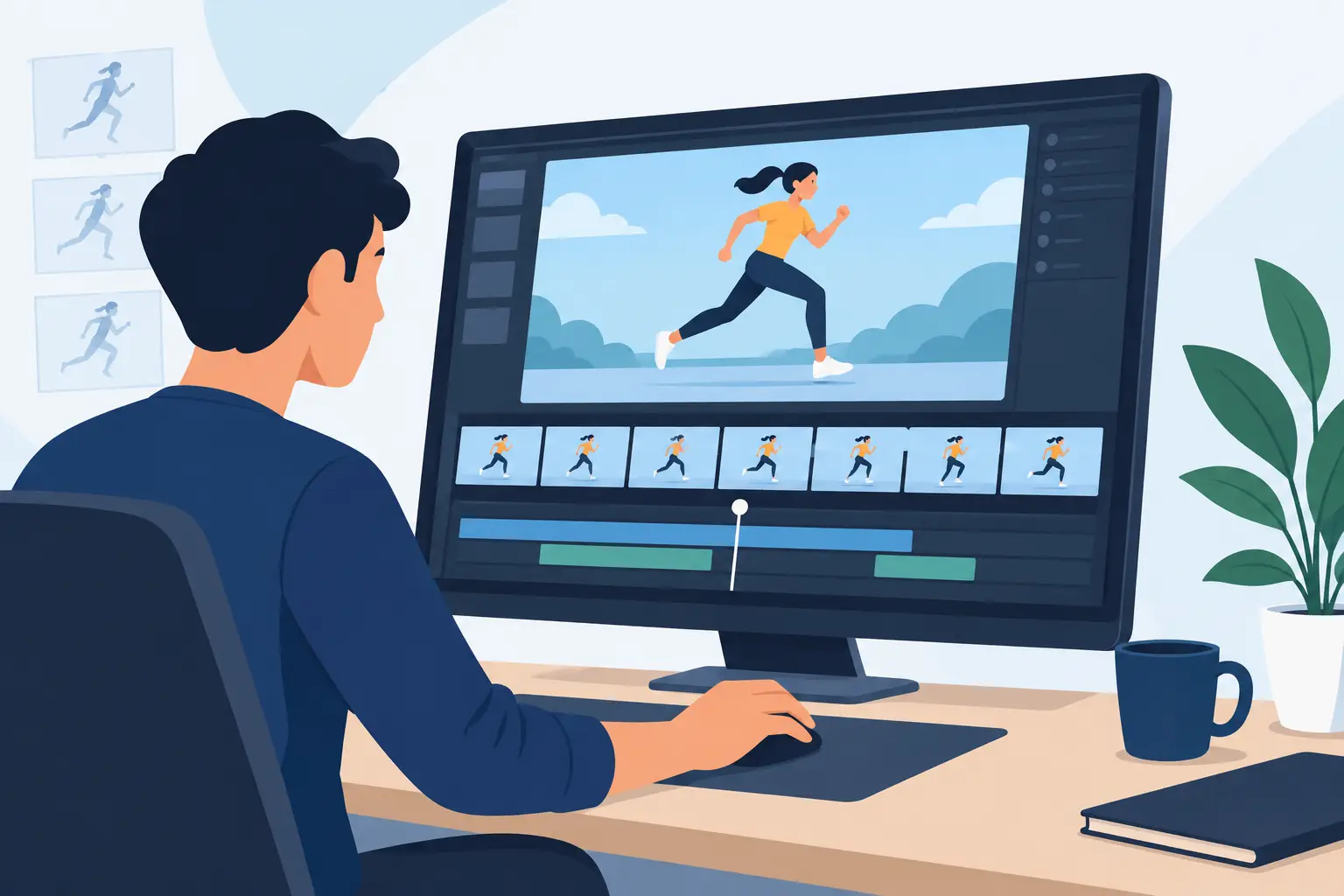
Those interruptions matter. Animation is built on comparison. An animator needs to see a scene move, recognize that a hold is too long or an accent comes too late, and correct it while the rhythm is still clear. If timing changes take too many steps, the artist either loses the thought or settles for a weaker result.
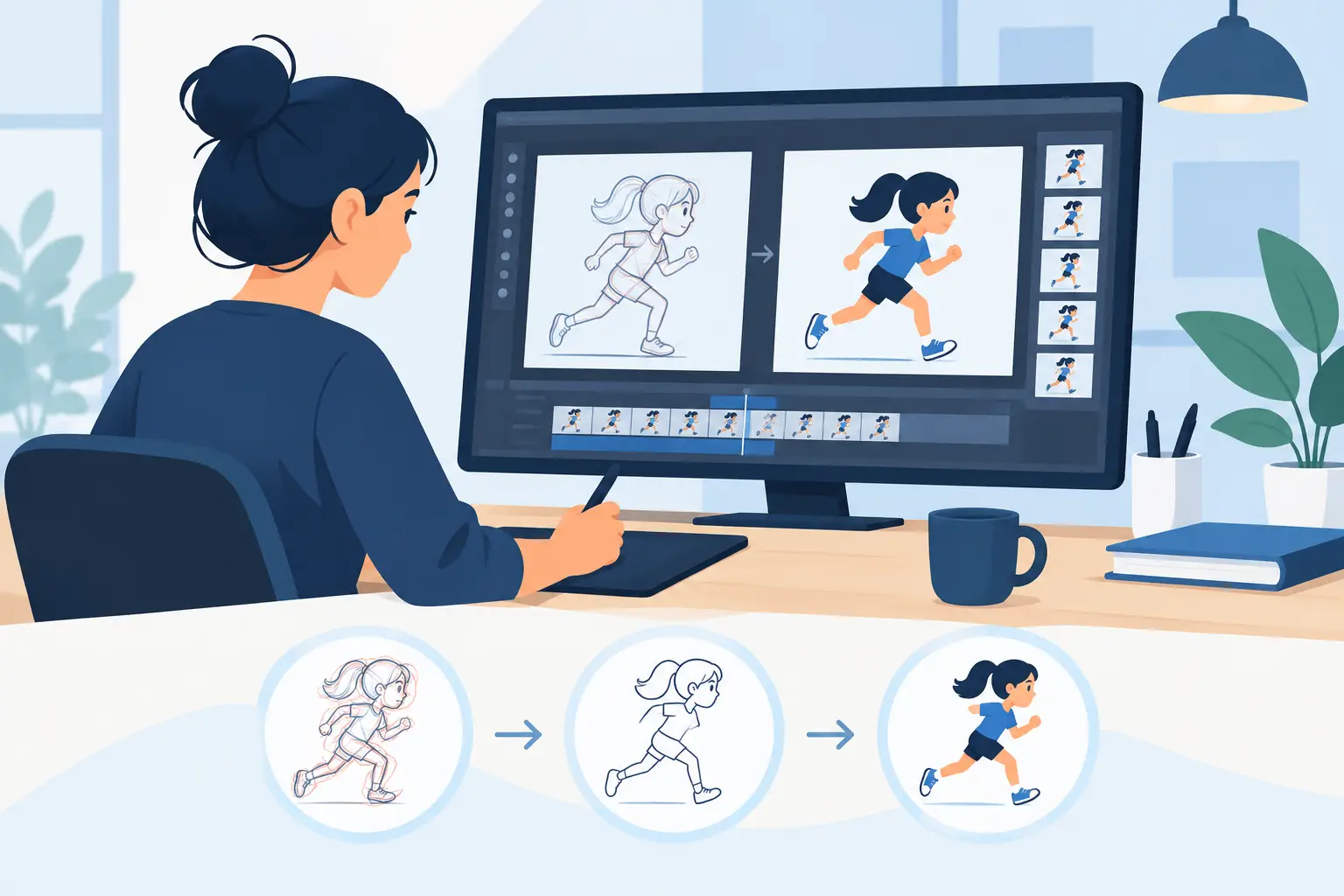
The better digital workflow keeps the classic sequence intact: draw roughs, test the movement, adjust timing, clean up, paint, and finish the scene. It should make the repetitive parts quicker while preserving direct control over the creative parts. Digital speed is valuable when it shortens production chores, not when it forces a different way of thinking about animation.
Real-Time Timing Will Matter More Than More Features
A feature list can be impressive and still fail an animator at the exact moment it counts. Timing is one of those moments. The number of frames a drawing holds, whether an action is on ones or twos, and where a breakdown lands can transform a shot without changing a single line.
Future-ready 2D software needs to let artists make those changes while watching the scene play. That approach is closer to how experienced animators evaluate movement: with their eye on the performance, not on a panel full of settings. It also gives students a clearer connection between a timing decision and its result.
This does not mean every shot needs constant revision. A carefully planned production may lock timing early, while an experimental short may benefit from extensive play. The point is that the tool should not punish either approach. It should let the animator test a better idea immediately.
Drawing Feel Is Not a Cosmetic Detail
Animation software can have every modern feature and still be a poor drawing environment. If lines lag, strokes feel over-processed, or the interface makes it hard to focus on the current drawing, the animator spends energy fighting the program instead of solving the shot.
Traditional animators need a workspace that respects rough construction. Roughs are not disposable scribbles. They establish gesture, volume, screen direction, and the performance that clean-up will clarify. A natural drawing experience makes it easier to work quickly at that stage, then move into clean-up without losing the life of the original idea.
The same standard applies to tablets and portable workflows. An iPad can be useful for sketching, review, and getting a scene started away from the desk. But convenience alone is not enough. Drawings still need to travel into a production process where timing, layers, paint, and camera moves can be handled without rebuilding the work.
Faster Painting Changes What Small Teams Can Finish
Painting has often been treated as the necessary middle step between clean-up and compositing. For independent artists and small studios, it can become the schedule killer. A scene with several characters, changing colors, and dozens of frames demands a process that is accurate without becoming repetitive.
Efficient paint tools do more than save clicks. They protect the budget for animation itself. When filling and correcting frames is faster, more time can go into stronger roughs, better clean-up, and a final timing pass. That is where a scene earns its personality.
There is a trade-off. Highly rendered work may require more careful color decisions, texture, lighting, and compositing than a simple flat-color cartoon. No paint tool removes that artistic labor. But the basic task of applying and correcting color should not consume the time needed to make the animation work.
AI Will Change Production, Not the Value of Draftsmanship
Artificial intelligence will remain part of the conversation around animation, especially for reference generation, asset organization, cleanup assistance, and administrative production tasks. Some studios will use it heavily. Others will limit it for creative, legal, or brand reasons.
What AI does not solve is the central problem of character animation: deciding what a character should do, when it should do it, and how the action should feel. A model can generate movement, but it does not replace the animator’s judgment about a pose that reads clearly, a held expression that creates comedy, or an off-model drawing that is exactly right for a moment of force.
For artists entering the field, the practical response is not to ignore new technology or to chase every new button. Learn the durable skills first. Study gesture, staging, perspective, weight, timing, spacing, and acting. Those skills make every tool more useful and make it easier to judge when an automated result is not good enough.
What Animators Should Build Now
The strongest portfolios will not merely show polished images. They will show decisions. Include rough-to-clean-up progress when appropriate. Show a walk that has weight, a turn that maintains volume, a dialogue shot with clear thought changes, and action that uses anticipation and follow-through. A short, well-timed scene is more persuasive than a long sequence with no control of rhythm.
Students should also get comfortable with a complete shot workflow. Learn how to plan thumbnails, make rough passes, check the scene in motion, adjust exposure, clean up, paint, and add basic camera treatment. Each stage affects the others. An appealing drawing can fail when the timing is wrong, while a simple drawing can become memorable when it is staged and timed with confidence.
For working animators, the question is simpler: where is the production losing time? If the answer is painting, timing changes, or getting drawings into the program, choose tools that address those bottlenecks directly. FlipBook is built around that traditional production logic, with direct drawing, efficient frame painting, and timing changes that can be made during playback rather than through a stop-adjust-preview routine.
A Better Standard for Digital 2D
The future of hand drawn animation is not a return to slower production or a surrender to automated imagery. It is a higher standard for digital tools. They should let artists draw naturally, see their work clearly, revise motion quickly, and finish scenes without burying the craft under technical chores.
The next memorable hand-drawn film, series, game sequence, or independent short will still begin with a decision made one frame at a time. Give that decision a tool that keeps up, and the drawings have room to come alive.